Being Confident When Running an Electric Vehicle in Cold Weather

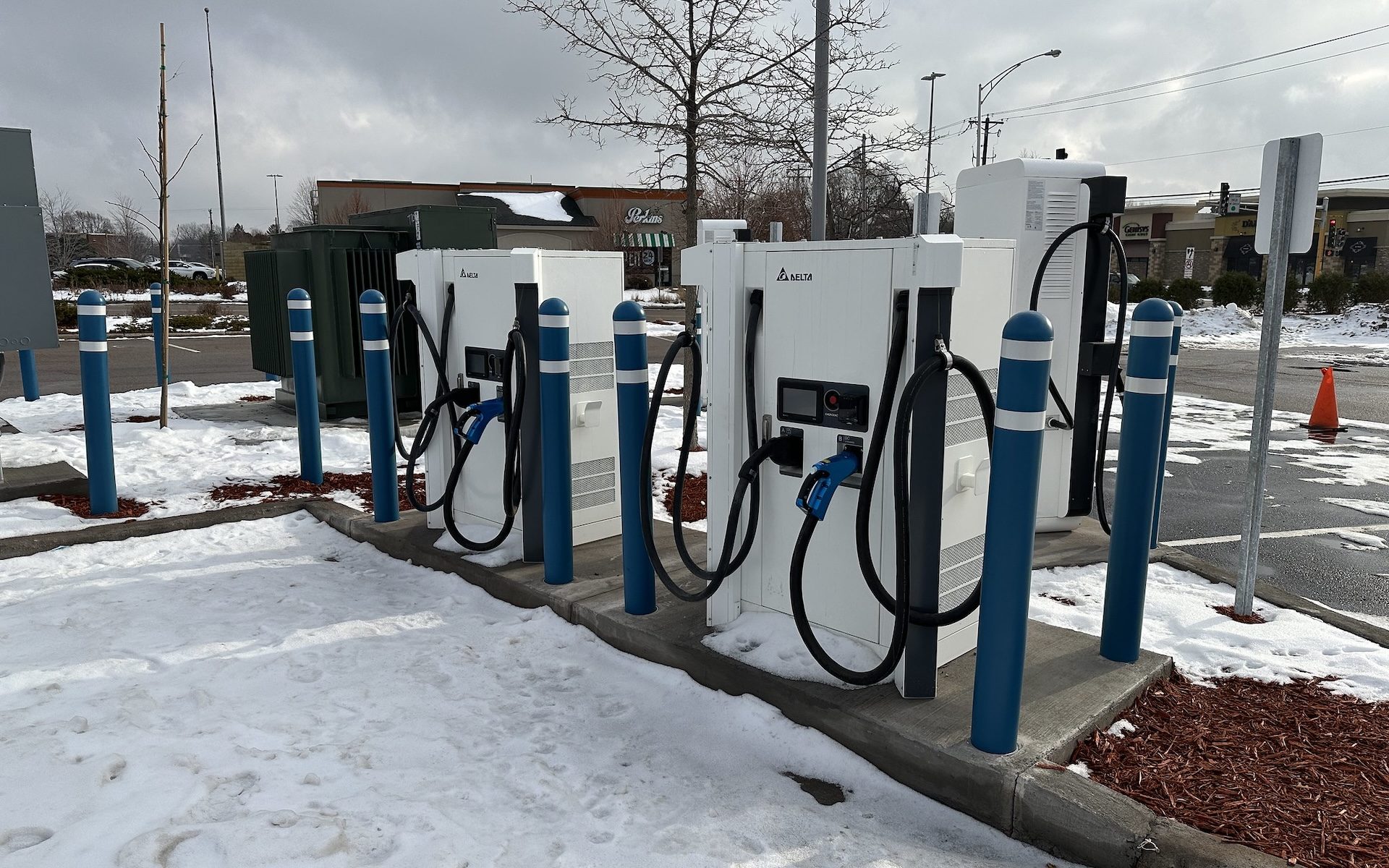
EV Charging Station in Snowy weather

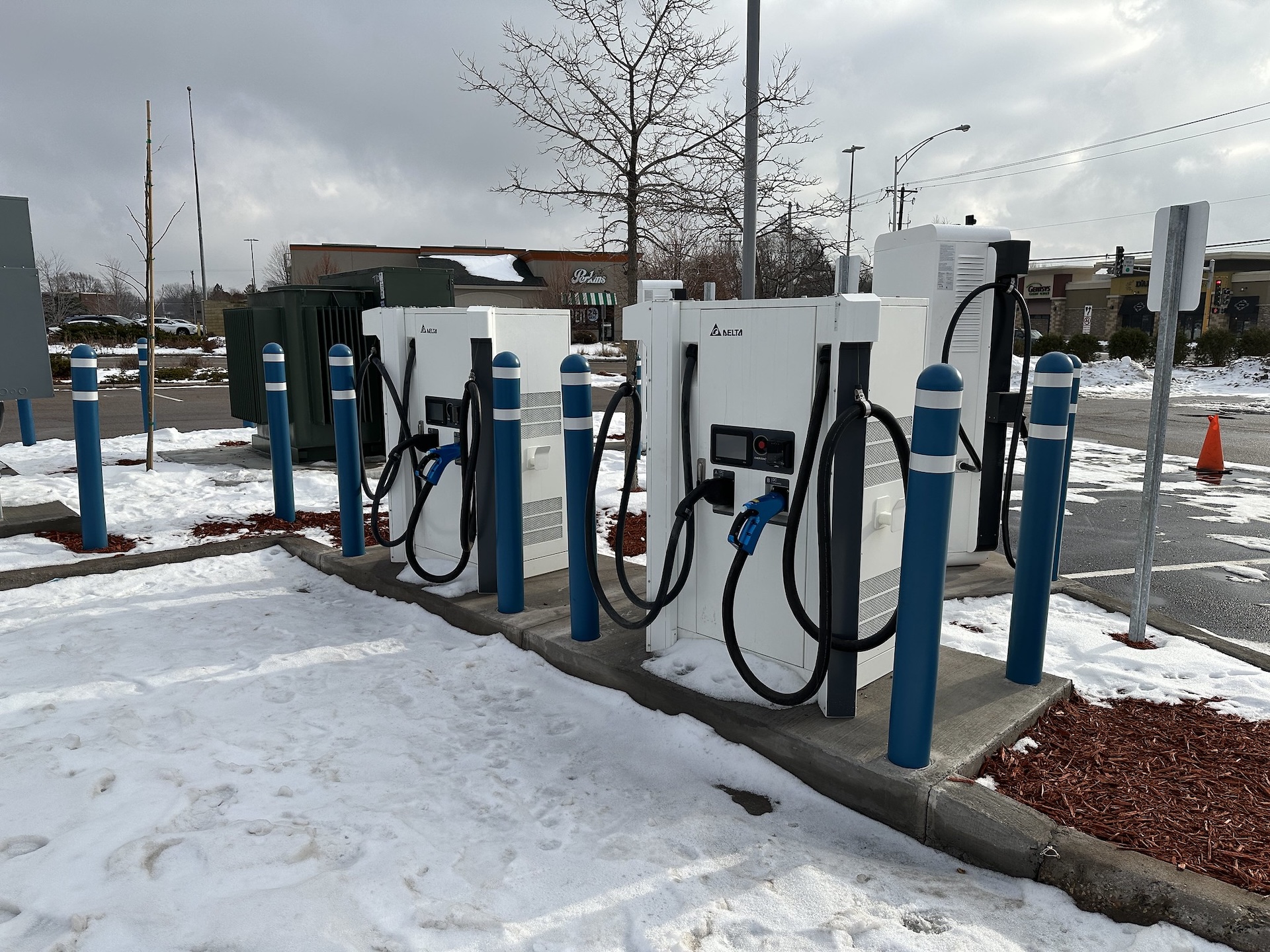
EV Charging Station in Snowy weather


One of the challenges of living in the Metroplex is the occasional cold snap we experience every year. While we think we can handle anything throughout the year, we sometimes find ourselves in very interesting situations. As we transition to electric vehicles, we have to remind ourselves that the operational nuances they provide are especially important when the temperatures drop to near freezing and the roads become icy. Here are a few things to consider for your VinFast VF8 and VF9 when it gets cold outside.


When you are not driving your EV, simply park your vehicle in a garage. If you happen to have an at-home charging unit, go ahead and plug it in. That way, your vehicle will be fully charged the next time you have to venture out in the cold.
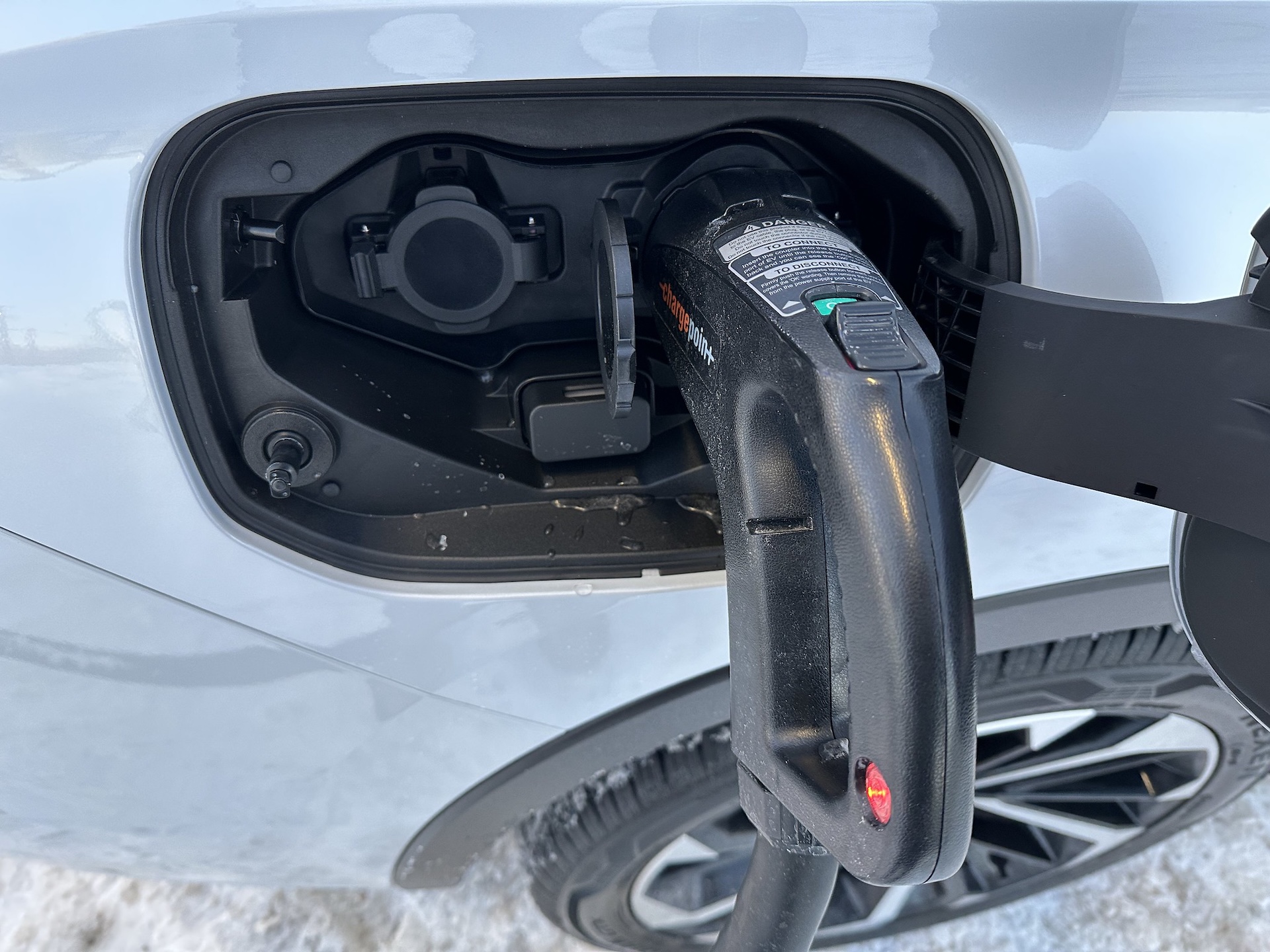
 

EV Vehicle at a charging station

Before you venture out, you definitely want to remove all snow and ice from your vehicle. A handy snow brush and ice scraper are all you need for the body and glass. You also want to clear the wheel wells of accumulated snow and ice with an ice scraper or a rubber mallet. Just be careful when you do it to avoid fender and wheel-well damage.


Another thing to check is the tire pressure. Inside the driver’s door sill is a sticker showing the recommended pressures for your VF8 and VF9 tires. If your tire gauge shows the pressures are higher or lower, adjust them accordingly. It is probably best that you do so before driving away from home, so you do not get caught with a tire pressure warning indicator on the center touchscreen display. If that indicator comes on, drive a bit to warm up the tires. If it is still on, get air in those tires at your soonest opportunity.


While you’re out on the road, keep in mind that once you turn on the heater and heated seats, you may be sapping energy from the electrical system. This could reduce the overall range of your vehicle. Simply reduce the heat from your climate control system and heated seats to avoid needing to recharge sooner than anticipated.


You can automatically precondition your vehicle’s battery in the VinFast VF8 and VF9 when you use the built-in navigation system on the center touchscreen by directing it to the nearest DC fast charging station. That enables the VF8 and VF9’s thermal management system to begin heating the battery. It can also be preconditioned during your charging session; however, it is best to start the preconditioning process 20-30 minutes before your charging session.
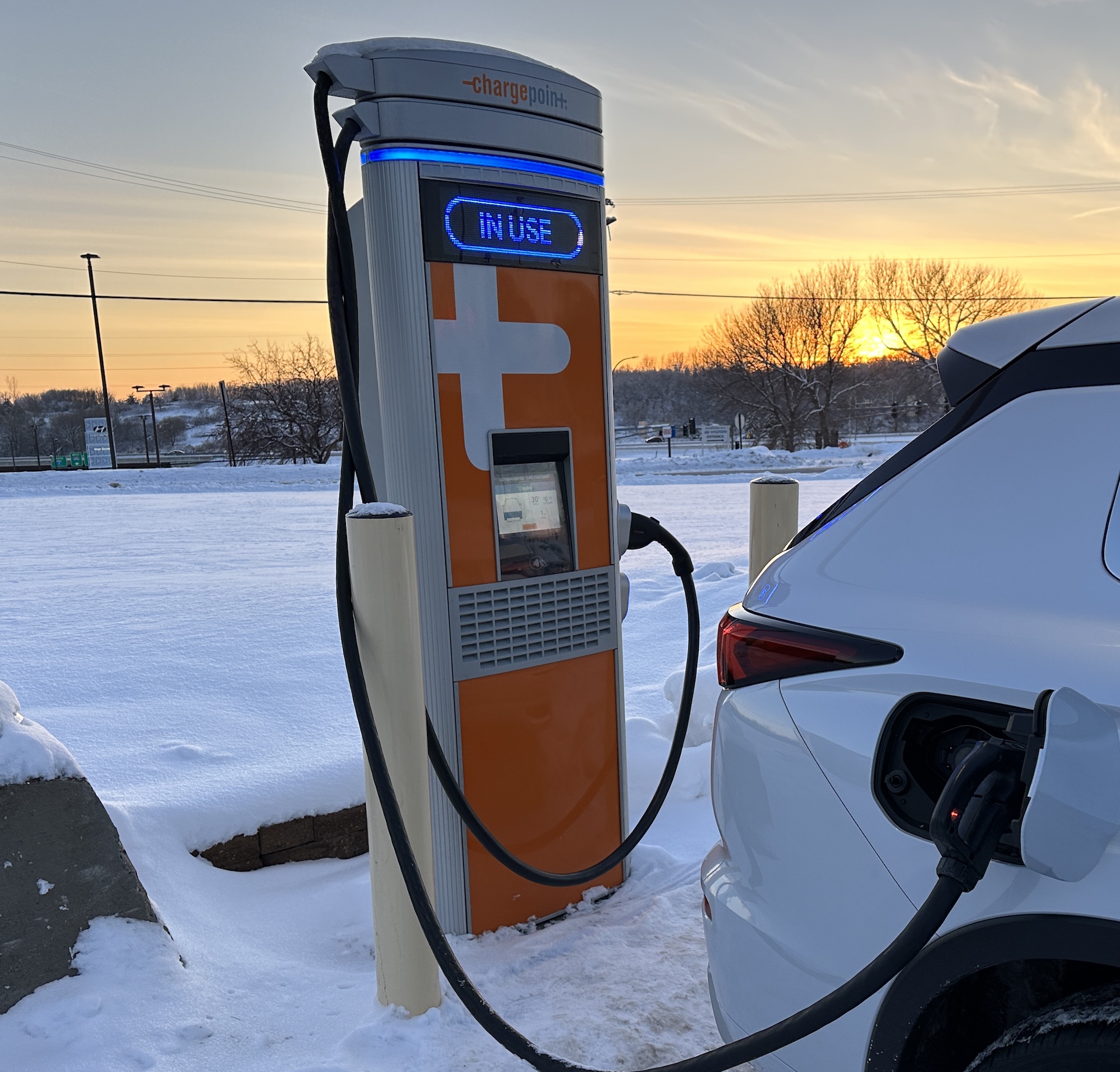
 

EV being charged in the winter with snow on the ground

Getting through the winter in your VinFast VF8 and VF9 will help extend your vehicle’s lifespan and enhance your ownership experience. It will also give you the confidence you need to get through any cold snap North Texas throws at you every year. If you have any questions, please contact Ewing VinFast of Plano, and we will be able to assist you.
Do You Need to Replace Tires on an EV With EV-Specific Tires

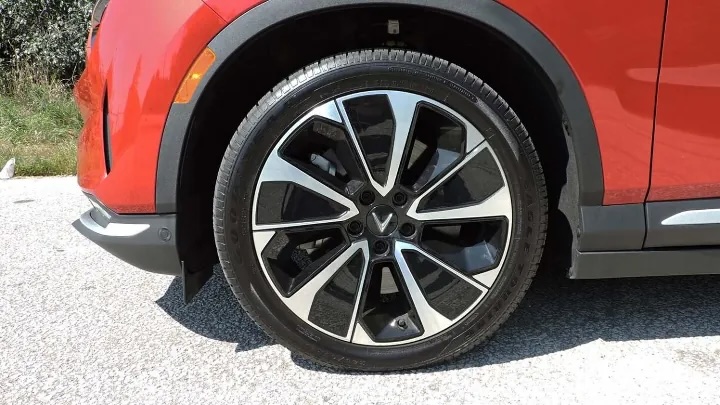
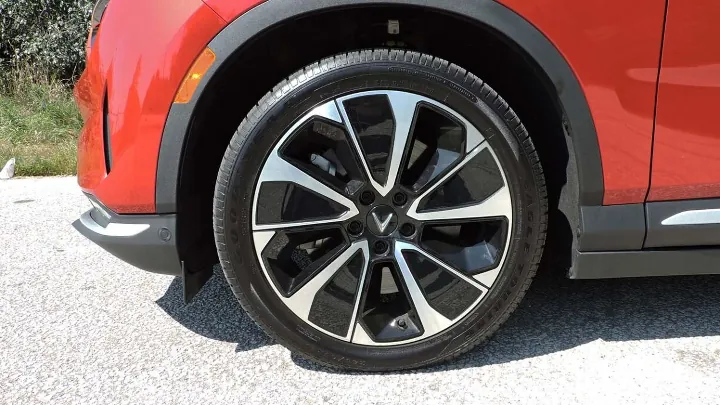
VinFast VF8 front wheel

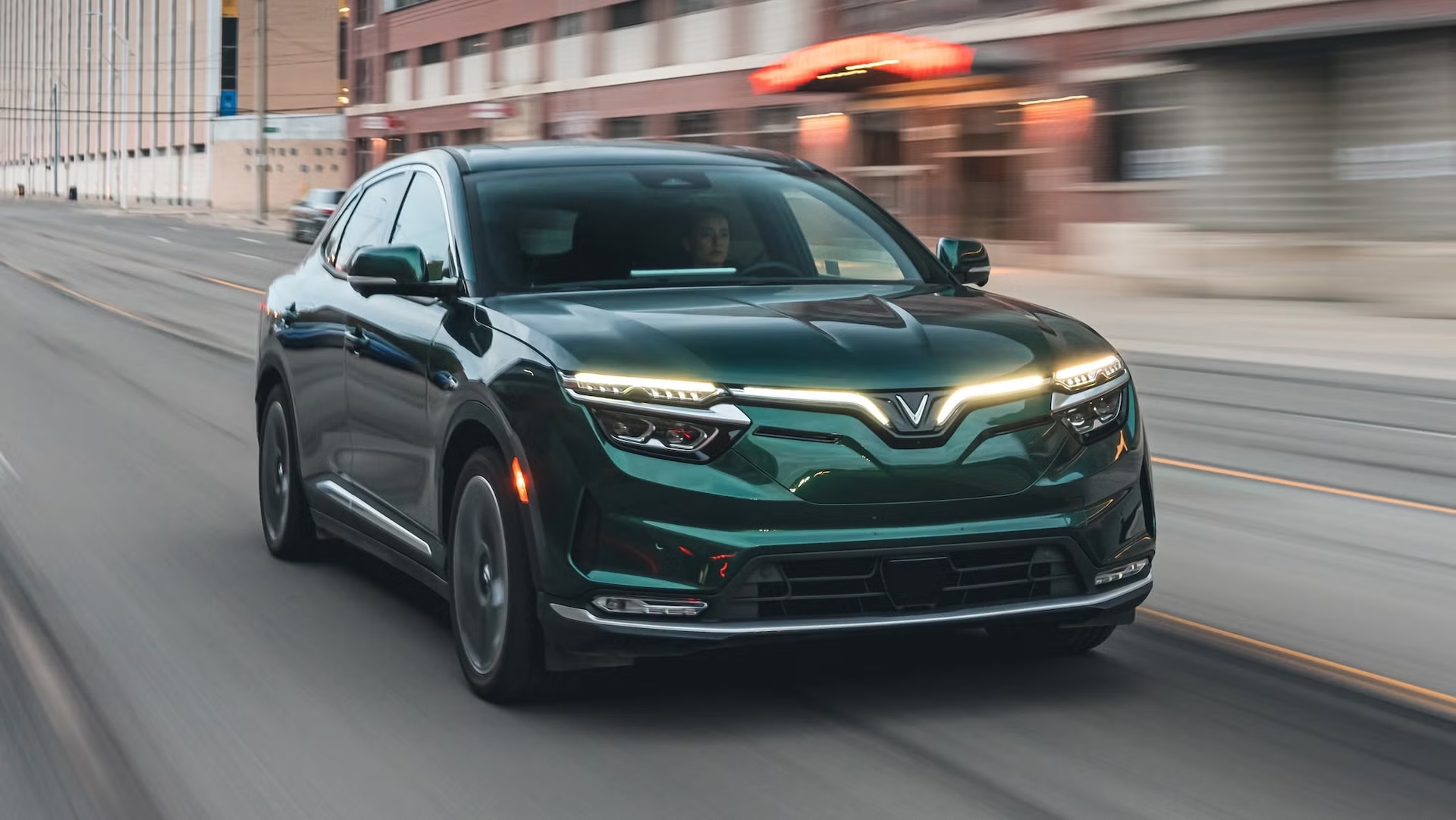
VinFast V8 driving on a city street


One of the main advantages of an EV over an ICE (Internal Combustion Engine) vehicle is lower maintenance. Tasks like oil changes, filter replacements, spark plug changes, and replacing hoses and belts are generally not needed. However, one type of maintenance that may happen more often than with ICE vehicles is tire replacement. Ewing VinFast of Plano explains why this is and what you should watch for when it’s time to replace your EV’s tires.


There are two reasons why tires may wear out faster on an EV than on a similarly sized internal combustion (IC) vehicle. The primary reason is the heavier weight. The large battery pack under the cabin increases an EV’s weight, often by 1,000 to 2,000 pounds, depending on the model. For example, comparing the Vinfast VF8 to a similarly sized gas-powered crossover, such as the Chevrolet Blazer, the Blazer weighs approximately 4,144 pounds, while the VF8 weighs around 5,771 pounds.


The second reason is the quick, accessible torque of an EV. Again, using the Blazer as an example, a mid-level model offers 228 lb-ft of torque, while the VF8 delivers a powerful 457 lb-ft, ready to be unleashed with each tap of the accelerator. That can make the VF8 quite fun to drive, but putting that torque to use does cause wear on the tires. And we are not referring to spinning tires. Just handling the torque while the tires maintain traction can create wear.


When it’s time to replace the tires on an EV, the first question often is, “Do I need EV-specific tires?” And the answer is, “Maybe, maybe not.” While that answer may be disappointing, it gives you the freedom to choose based on your priorities.


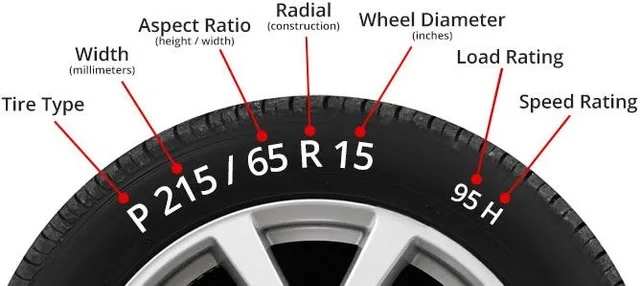
Learn how to read what your tire is telling you


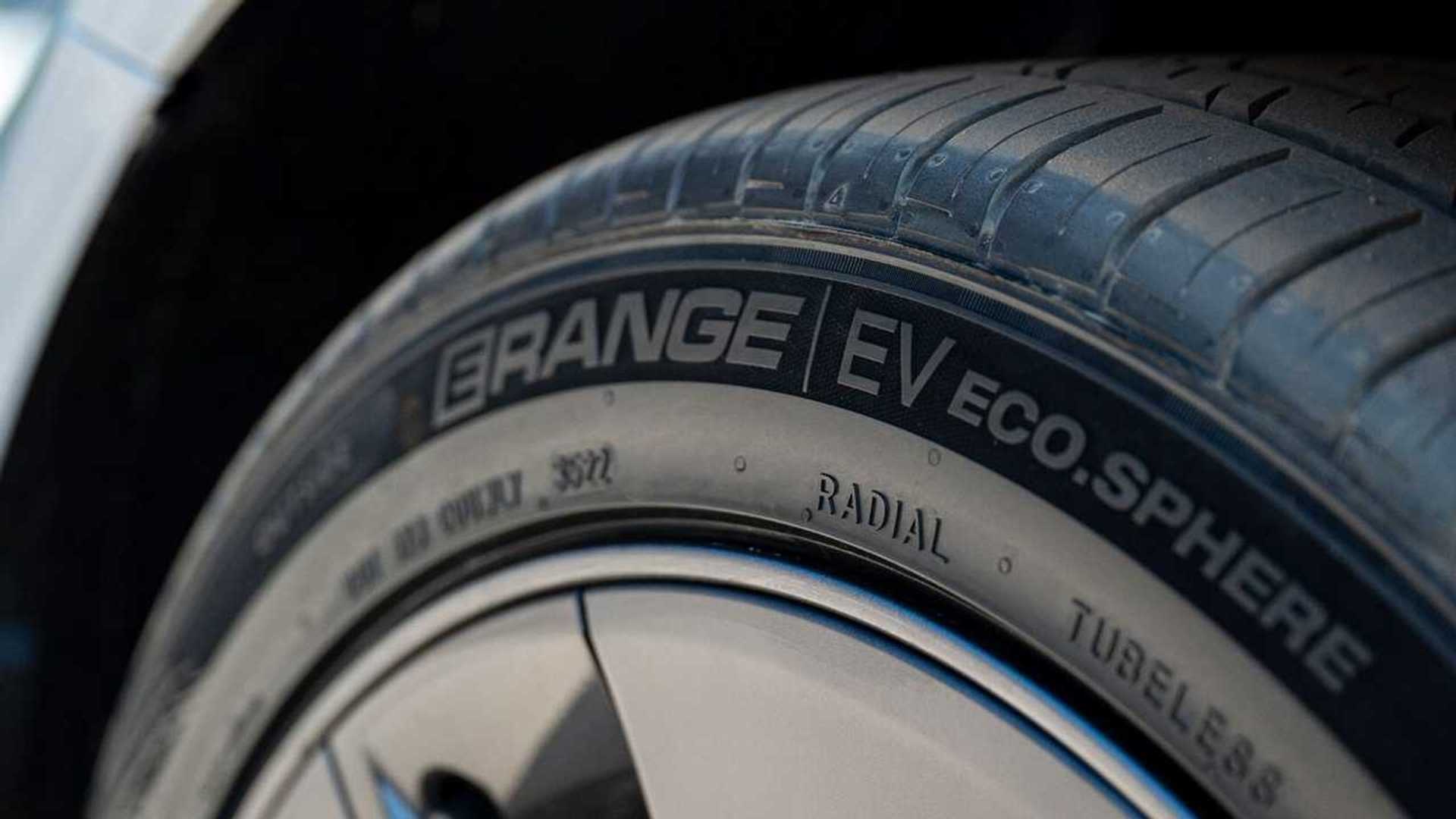
EV-specific tires are designed to have lower rolling resistance, partly due to a harder rubber compound, which helps your EV travel farther between charges. Remember, the 82 kWh battery in a VF8 has the energy equivalent of 2.4 gallons of gas. That would only power the mentioned Blazer for around 65 miles, but it’s the efficiency of electric power that allows a VF8 to achieve a range of 235 to 256 miles. EVs are much more efficient, but this also means their range can be more affected by factors that reduce efficiency, like tires with higher rolling resistance. The tradeoff for higher rolling resistance can be improved traction.


The efficiency differences between standard and EV-specific tires can vary significantly, often resulting in a 5-14% difference in range. Whether this should be a consideration largely depends on how you drive your car. If you charge at home and your range is significantly greater than your typical driving distance between charges, a 5-14% range difference may be negligible for you. In that case, you might overlook EV-specific tires in favor of tires with attributes you value directly, such as dry or wet traction or snow performance. Plano’s average of two inches of snow per year is well below the US average of 28 inches, but if you frequently travel north to snowier regions, snow performance might be more important. Of course, if you often take your EV cross-country and charge at roadside stations, lower-rolling-resistance tires could be beneficial.


Sailun Erange Tire


Another EV trait is quiet operation; however, the absence of engine noise can make tire noise more noticeable. Consequently, many EV-specific tires may feature noise-reduction technologies, such as foam liners, to absorb or reduce tire and road noise before it reaches the cabin. These technologies can also be found on non-EV-specific tires.


Because EVs are heavier, one thing you will want to ensure is that your replacement tires have a sufficient load index. On the tire sidewall, this is the last number on the tire size, and it will show “103” on the VF8. This indicates a weight capacity of 1,929 pounds per tire. Thus, four of these tires can handle a load of 7,716 pounds, which is designed to be enough to include the VF8 and 1,945 pounds of passengers and cargo. You will want a load index of at least 103 for your replacement tires. Simply Google “Load tire index chart” to see what weight level each load index translates to pounds.


VinFast VF8 front wheel


Therefore, your replacement tires should be selected based on how you use your EV and your priorities for ride quality, dry and wet traction, snow handling, noise levels, and expected longevity. If you have questions, don’t hesitate to contact the Ewing Vinfast of Plano Service Department. By now, they’ve likely spoken with many Vinfast owners about their experiences with replacement tires and satisfaction levels.

​​How To Get Your VinFast Through The Snow and Ice​

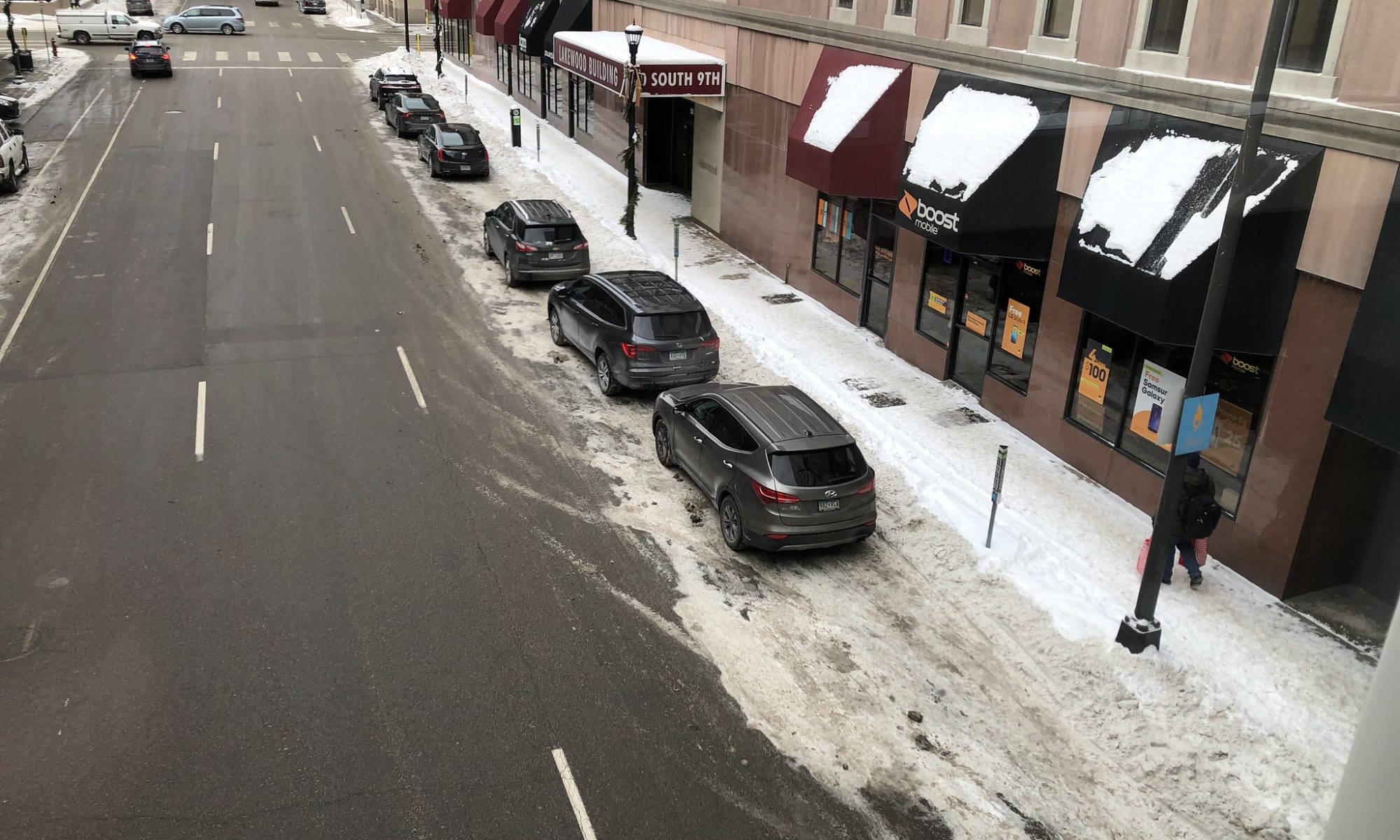
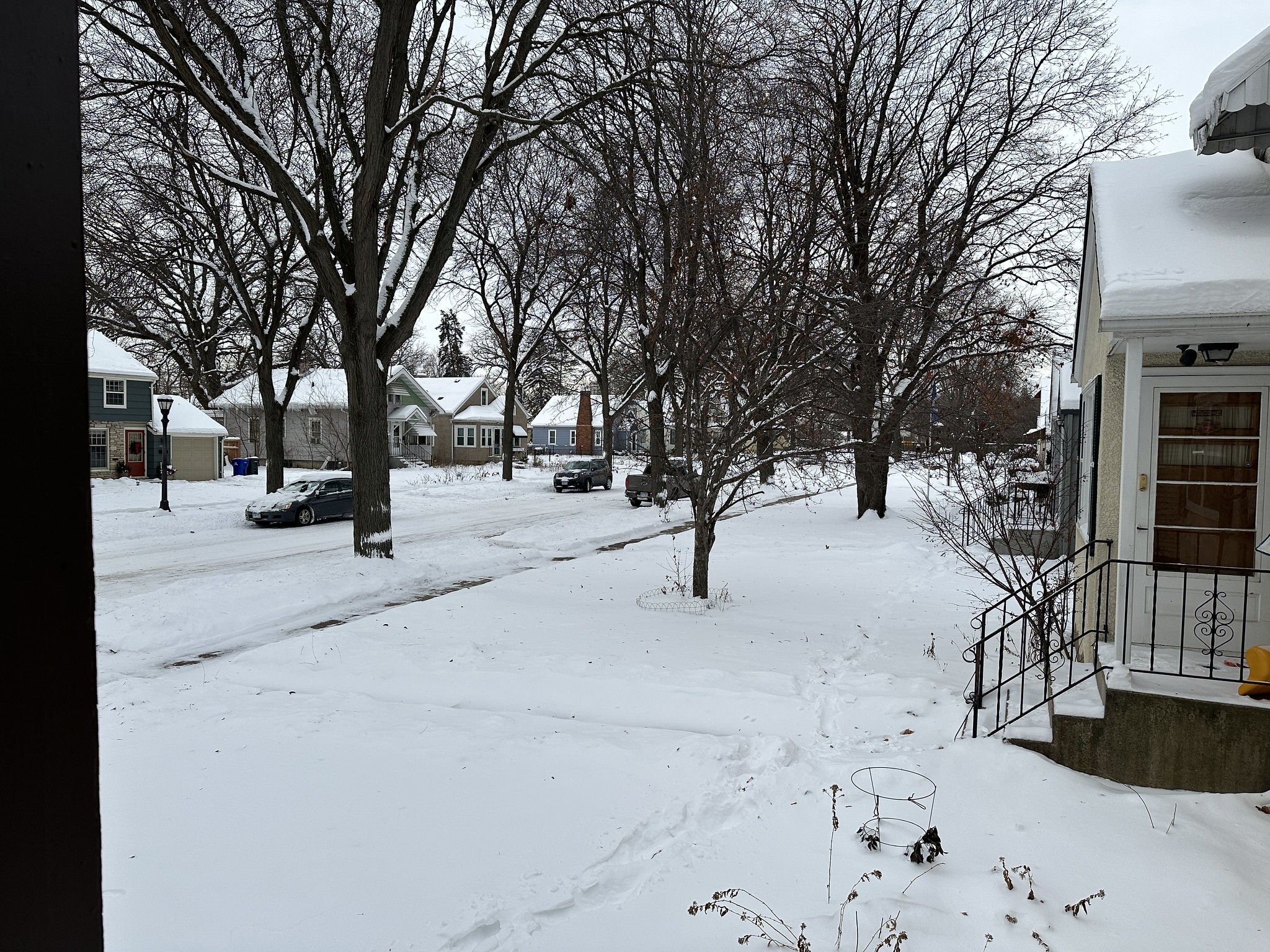
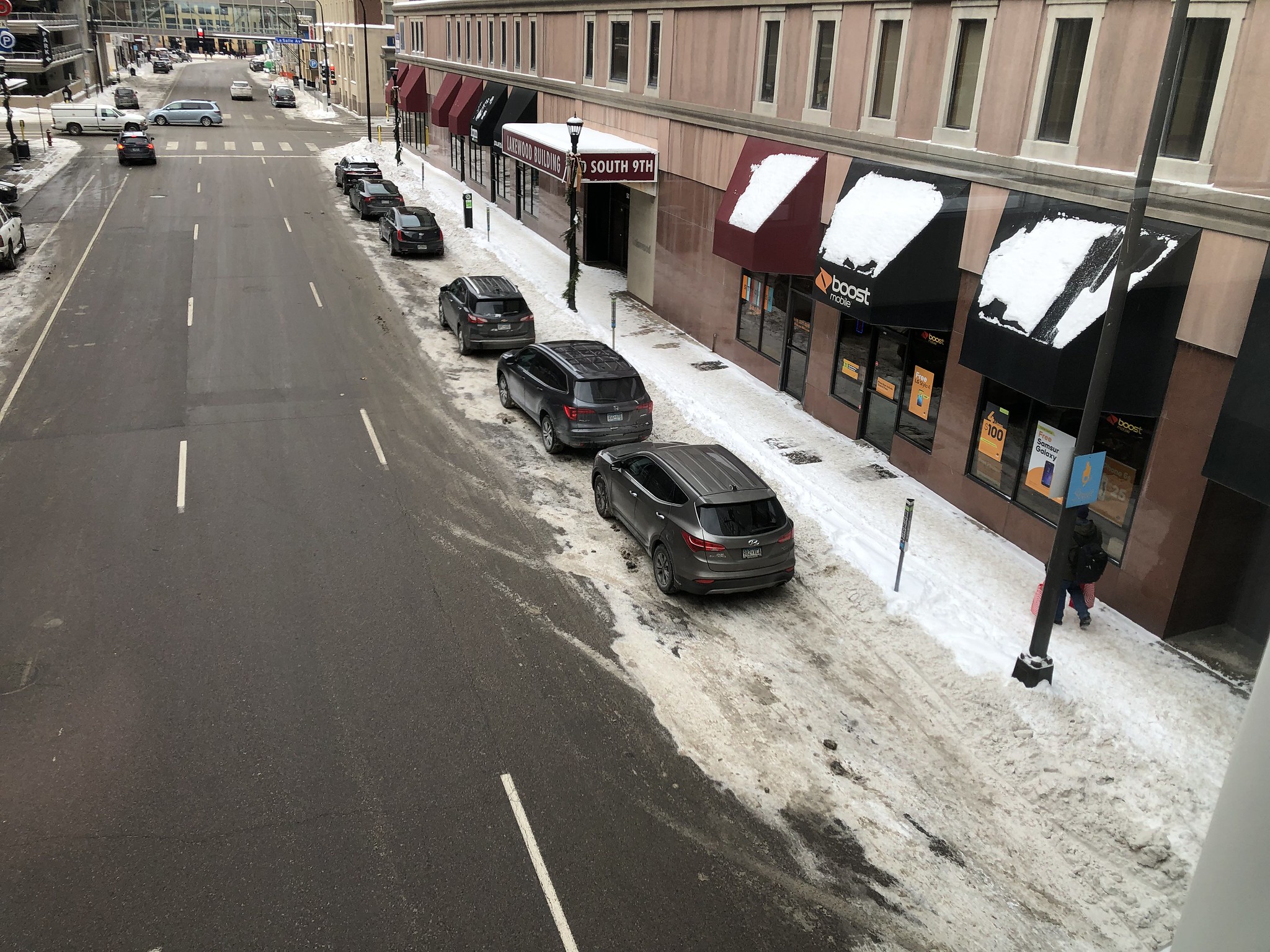
Cars parked on a a neighborhood street by a snow-covered sidewalk

Snow covered neighborhood street  


The Metroplex typically experiences a surprise winter snap almost every year. If it is not snow, then it’s a freezing mix of rain and ice. While this isn’t necessarily an issue when trying to drive every day on our freeways and tollways, it could be more of a challenge when you have an electric vehicle, such as our VinFast VF8 and VF9.


What can you do to make sure your VinFast handles these weather conditions? Here are a few tips to consider when owning your VF8 or VF9 for year-round use.


Parking your VinFast in a garage is the best thing you can do for it. It is protected inside from the elements, so you won’t have to deal with scraping the ice off it or brushing the snow. When it is time to go, know that you can start your VinFast without having any tailpipe emissions, making your garage a safe place to keep your vehicle.


Snow covered neighborhood street before the plow


If you do park outside, make sure to remove all snow and ice from your VinFast before starting it up. Snow adds weight to your vehicle when it is moving. Along with ice, snow can affect the sensors that work with your VinFast’s driver assistance systems. A good brush off will do the trick.


Make sure your VinFast is plugged in when parked. This will help with the health of the battery pack. It works best when you have your home charger inside your garage. Sometimes, cords from a charger could freeze up when exposed.


We tend to have our heater and defroster on when we drive in winter conditions. You can turn on the heated seats and steering wheel, as they consume minimal energy from the vehicle. Lowering the climate control temperature also helps. When at a public charging station, you can minimize the heat inside your cabin to maintain energy flow back into the vehicle.


Cars parked on a a neighborhood street by a snow-covered sidewalk


The one key component that will get you through the winter is your tires. Maintaining proper air pressure will not only maximize range but also ensure the right amount of contact with the surface. If your tires are either underinflated or overinflated, it will affect your range, overall safety, and on-road performance under various conditions over time with your VinFast. Tire pressure information is found on the driver’s side door frame or in your owner’s manual.


We know that winters in the Metroplex are a part of our lives here. Your VinFast will get you through them like a champ. Contact us at Ewing VinFast of Plano for additional tips on navigating the colder months in your VF8 or VF9.

How To Use Regenerative Braking in The Winter

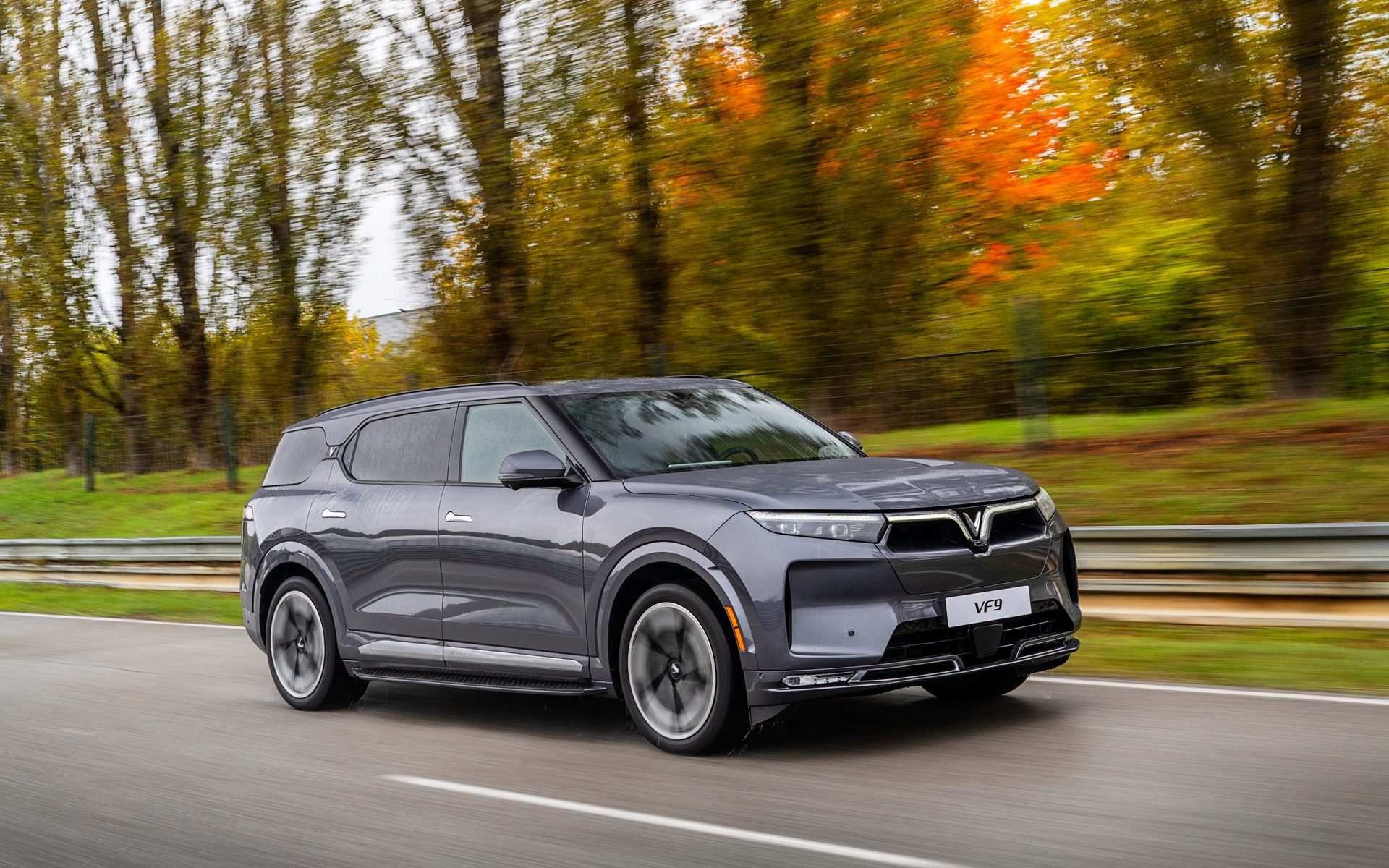
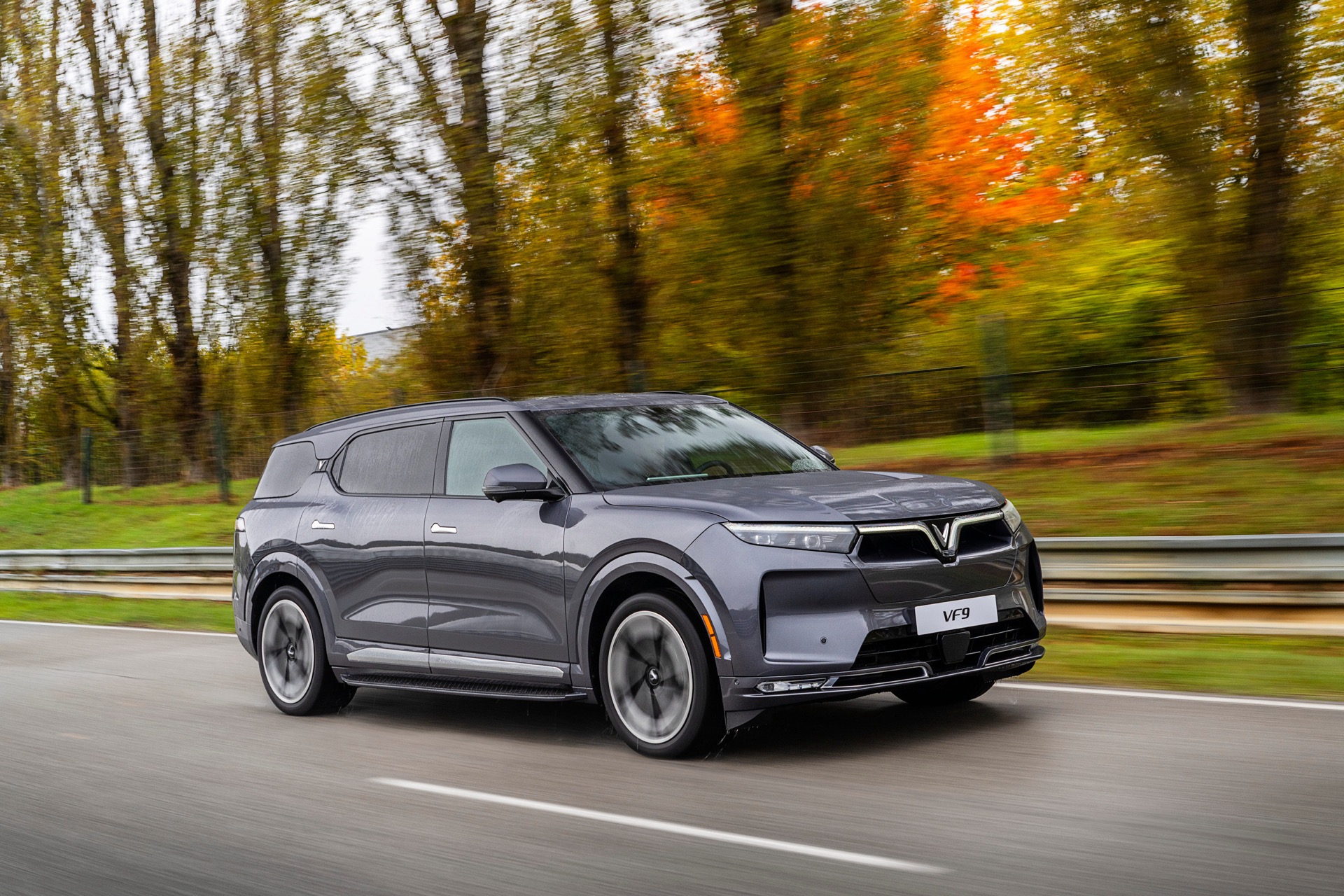
VinFast VF9 Driving on the road in the fall

VinFast VF9 Driving on the road in the fall


A key component of your VinFast VF 8 and VF 9 is the ability to recoup energy back into the battery pack. This is done through regenerative braking. It works by simply pressing the brake pedal, which generates kinetic energy that recharges the battery. It works optimally in “perfect” conditions. But what if the temperatures get colder? Or when the roads are either covered with snow or ice?


One thing to note is that regenerative braking on electric vehicles works differently than on internal combustion-powered ones. In winter conditions, the brake’s behavior will become less predictable. Any sudden braking will lead to loss of traction by skidding and instability.


How can you utilize regenerative braking safely during the winter? The first step is to adjust the regenerative braking level. In the center screen, you can adjust the settings to lower the intensity of the regenerative braking system and reduce the risk of sudden braking.


One thing you want to do is to slow down gradually while anticipating stops. You may also want to keep a longer distance between you and the next vehicle in front of you when the road surface is icy. In turn, you may have to monitor the roads you will be traveling on. If you know some stretches of roads have not been treated against icy conditions, you may want to find an alternative route to avoid them.


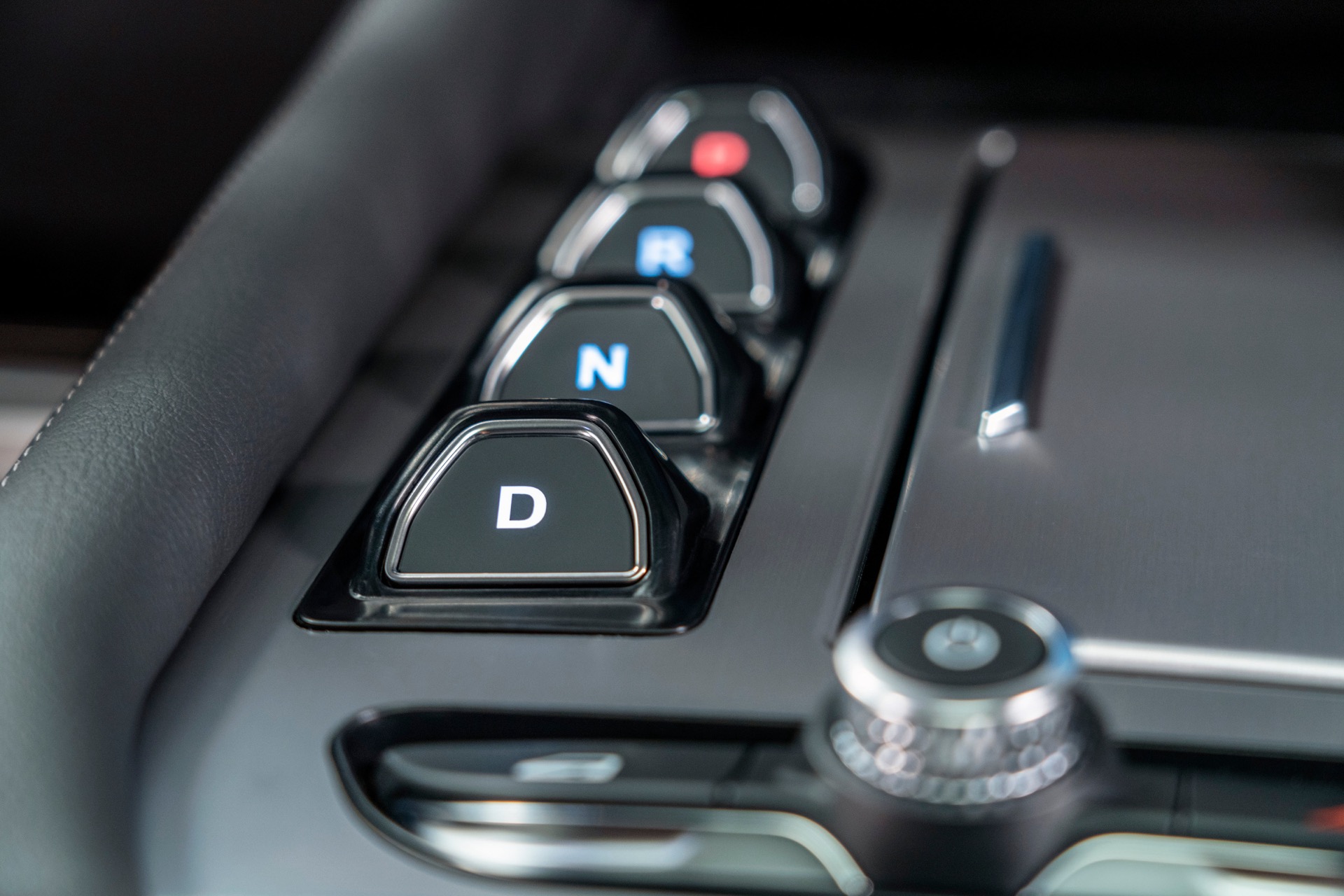
VinFast VF9 push button gear selector


While all-season tires are fine, winter or snow tires may be a better option for you. These usually work in climates where snow and icy conditions are pervasive. Given that the Metroplex can surprise you with a cold snap or snow – or, if you are traveling into a colder location – a second set of winter/snow tires on similarly sized wheels is a good long-term investment.


The best thing to do when a snowfall occurs in the Metroplex is to practice safe driving during these conditions. An empty parking lot is recommended for winter driving practice. This will also help you familiarize yourself with how your VF 8 or VF 9 will behave on snow or ice.


Some cautionary items to consider. Please do not drive on a steep hill that is covered with ice. You can guarantee that no matter how much traction your EV can generate, there will be no traction that can assist you going up or down it. That goes for any extreme road conditions you may encounter around town and beyond.


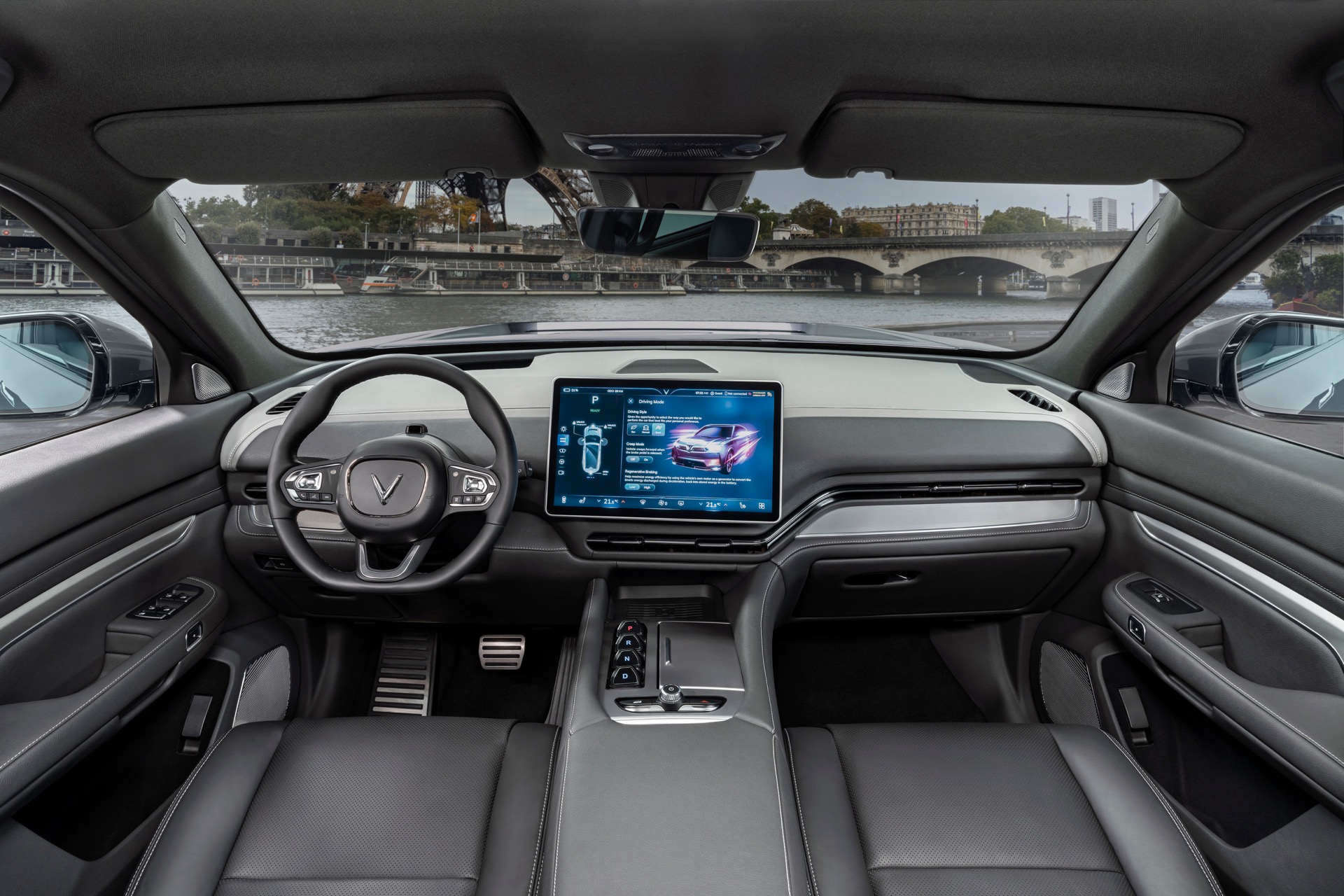
Vinfast V9 interior of the front seats and media console


There are several benefits to using regenerative braking in winter. Your range will improve, and brake wear is reduced. When the system works in your favor, you can achieve these results and save some money in the process through recharging and maintenance.


You can handle any weather in your VF 8 and VF 9. The benefit of regenerative braking makes it a valuable tool that will get you through any weather. Just be cautious on the road.


If you have any questions about utilizing your VF 8 and VF 9 as a year-round vehicle, please contact us at Ewing VinFast of Plano, and we will help you navigate the next surprise winter storm.

How To Tow An EV Properly

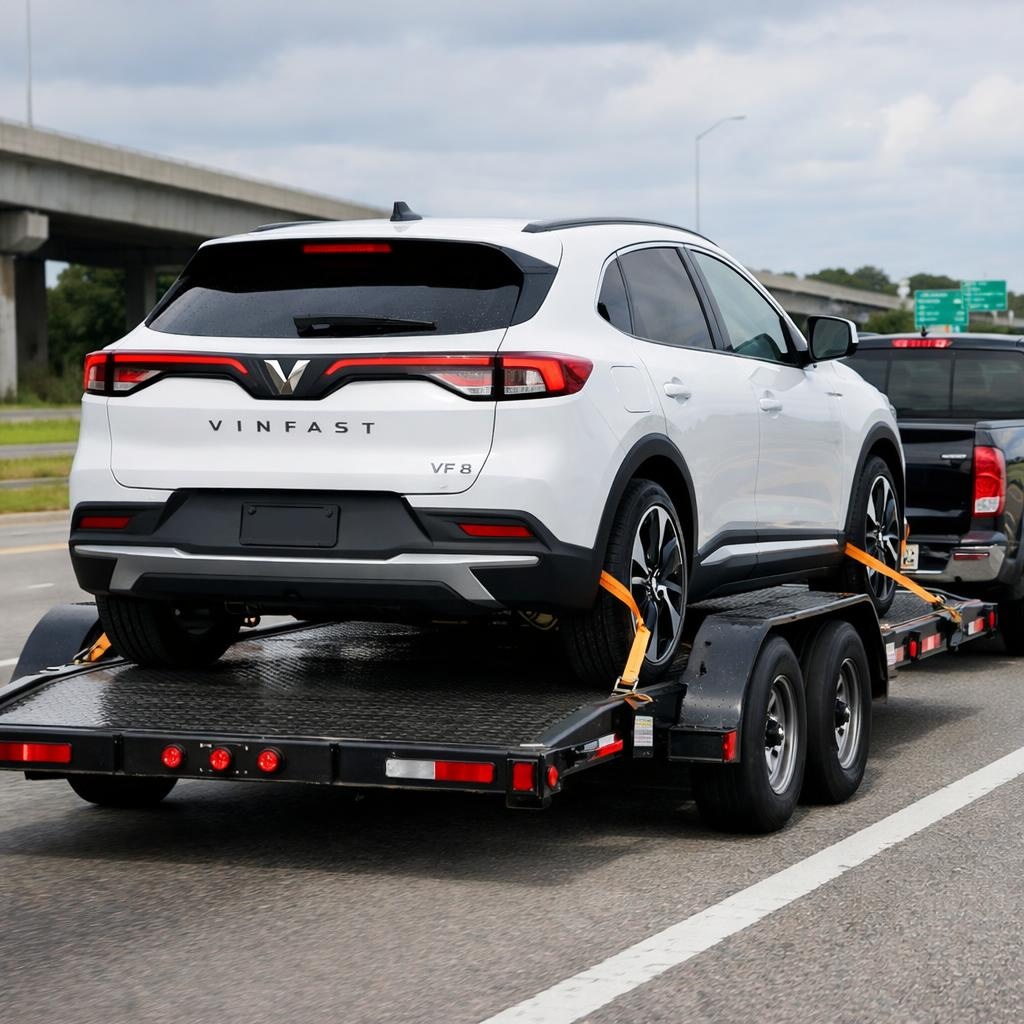
VinFast VF8 being towed on a flat bed


Driving an electric vehicle, such as a VinFast, as your everyday car is a great way to save time by avoiding stops for gas, dealing with the harsh sounds and smells that come from a gas engine, and the maintenance is significantly less. There’s no need to change the oil, the brakes last longer, and your drive is overall quieter and more peaceful. The amount of time and money you save charging from home also makes an EV extremely cost-effective, especially with gas prices being so inconsistent.


The Average Daily Commute


The average driver in 2025 puts about 35-40 miles on their car per day. With the VF8 offering a range of 235 to 256 miles and the VF9 offering a range of 291 to 330 miles, both crossovers are perfectly suited for more than just your daily commute.


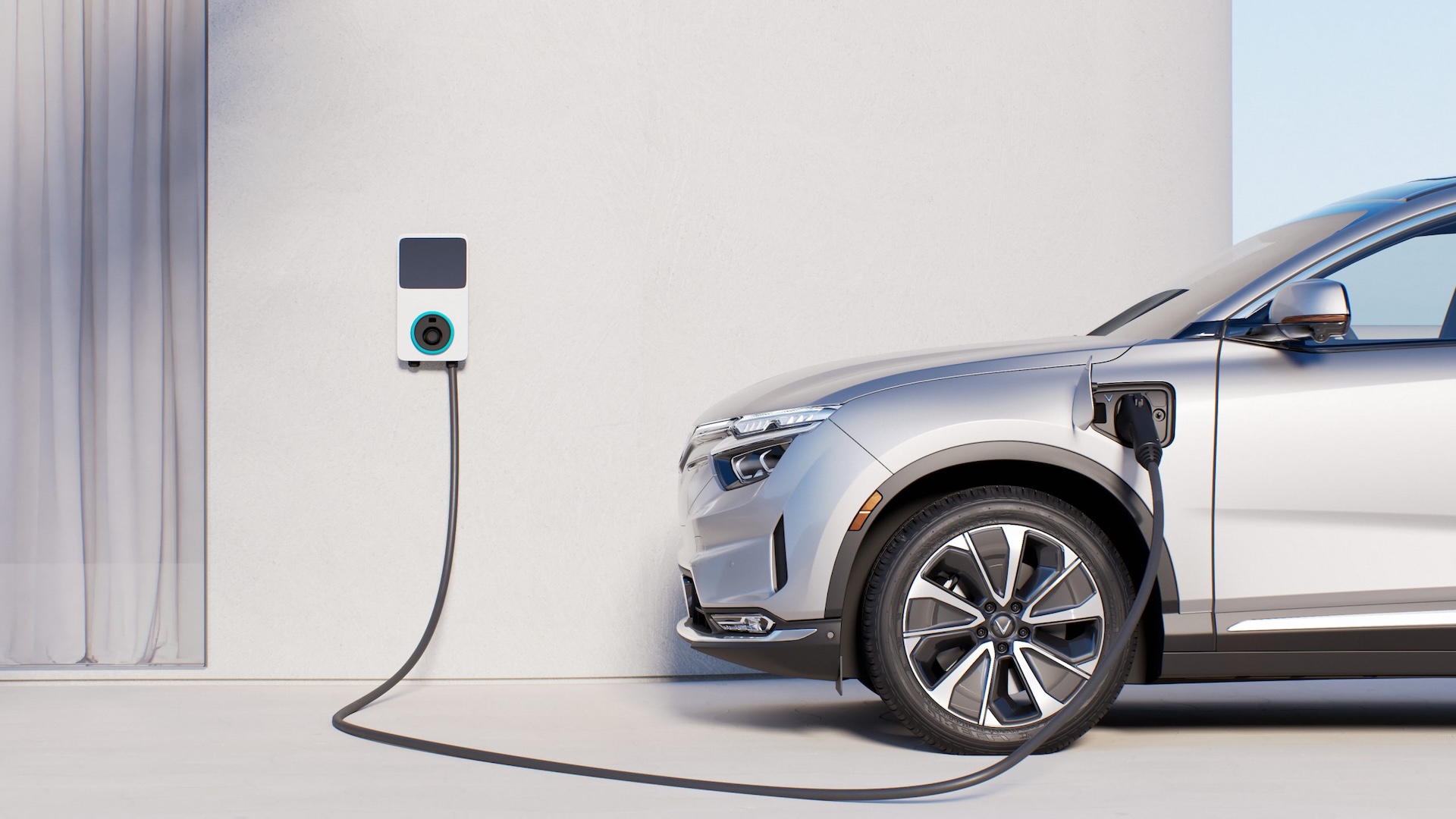
VinFast V8 on a Home Charger

RVs and EVs


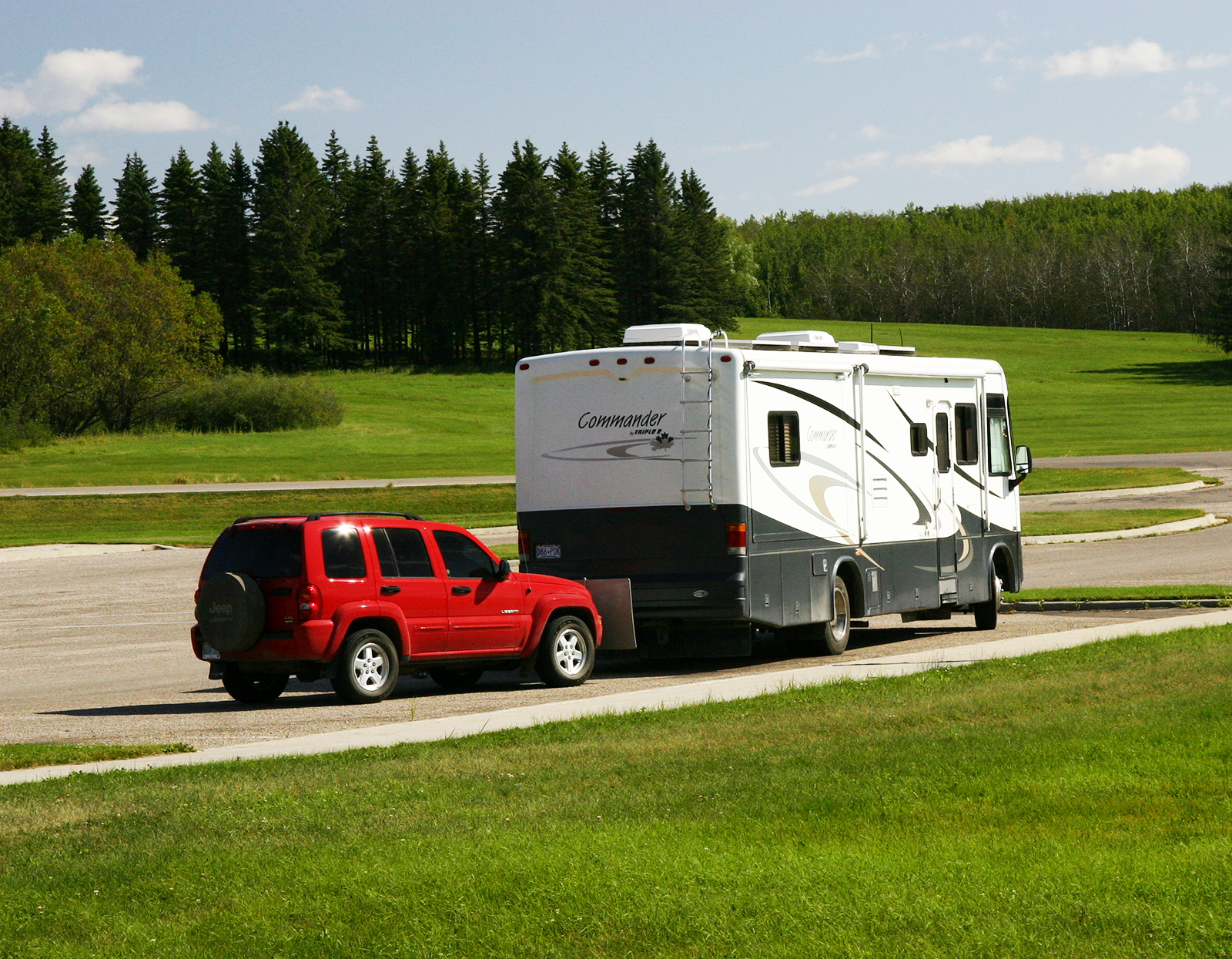
So, let’s say you have an RV or are considering buying one, and you would like to tow your vehicle or purchase a vehicle that can be towed. People with RVs typically tow a smaller vehicle so that when they arrive at their travel destination, they can drive the smaller car, truck, or SUV around town to get groceries, go out to eat, or meet up with friends. An EV makes a lot of sense since it’s quiet when driven in an RV park or camping grounds, and has excellent range to do what you want or need to do.


RV Towing a vehicle

Towing An EV Is Different


However, an EV is slightly different when it comes to towing. It’s typical to see a vehicle being flat towed behind an RV, which means a vehicle that’s being towed with all four wheels on the ground. Basically, it appears to be following too closely to the RV in front of it. However, you can’t really do this with an EV for multiple reasons.


Why It’s Different


An EV generates a lot of heat when the motor(s) are on, and the wheels are spinning, which is why EVs have coolers and cooling functions to keep the batteries from overheating. When you are towing an EV, those functions aren’t turned on, so the cooling system will likely not be working properly to cool the batteries as the wheels are spinning. Additionally, electric vehicles typically lack a neutral gear in their one- or two-speed transmissions. Therefore, towing could cause damage to the vehicle’s drivetrain.


Towing Your VinFast Properly


So, then, how exactly can you tow your VinFast behind your recreational vehicle? Simply put, if you are towing an EV, it is best to use a flatbed trailer, similar to what you would rent from U-Haul or another company. This is a trailer with four wheels that you can safely strap your EV onto.


VinFast VF8 being towed on a flat bed

VinFast Vehicles Offer the Best Warranties


VinFast vehicles each carry the world’s best warranty, which you will not find with any other car. When leasing or buying a new VinFast, buyers will receive a 10-year, 125,000-mile bumper-to-bumper warranty, along with a 10-year, unlimited-mile battery warranty. These warranties demonstrate VinFast’s commitment to earning customers’ trust, not just in electric vehicles, but also in the brand.


Why Choose Ewing VinFast


It’s the new year, and it’s time to make a promise to do good things for yourself. One of those good things is a new EV from Ewing VinFast of Plano, where we have the best prices on dozens of new VinFast EVs and used cars. Our well-educated sales staff and finance department will be happy to assist you with your EV questions and needs. Our fantastic service department will ensure your vehicle stays in the best condition.


We look forward to serving you.