​​Having the Best EV Ownership Experience Is as Easy as ABC​

Always Be Charging - ABC

Always Be Charging - ABC


There is no doubt that EV ownership involves some changes in how you interact with your personal transportation. It is also true that EV ownership works much more smoothly when you can charge at home. If you can charge at home, you should be aware of this fundamental ABC of EV ownership. ABC stands for “Always Be Charging.” This Ewing VinFast of Plano blog explains. 


Obviously, EV ownership means never having to go to a gas station to refuel your vehicle. But the reasoning behind Always Be Charging is that EV owners should shift from the gas-refuel mindset, which involves waiting until their vehicle is low or nearly empty before refueling. Not only is this unnecessary for anyone who charges at home, but it is also not a good idea. Ideally, you should plug in your car every time you come home. There are a few reasons for this. 
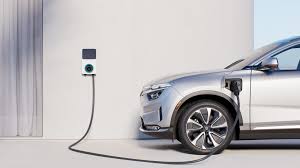
 

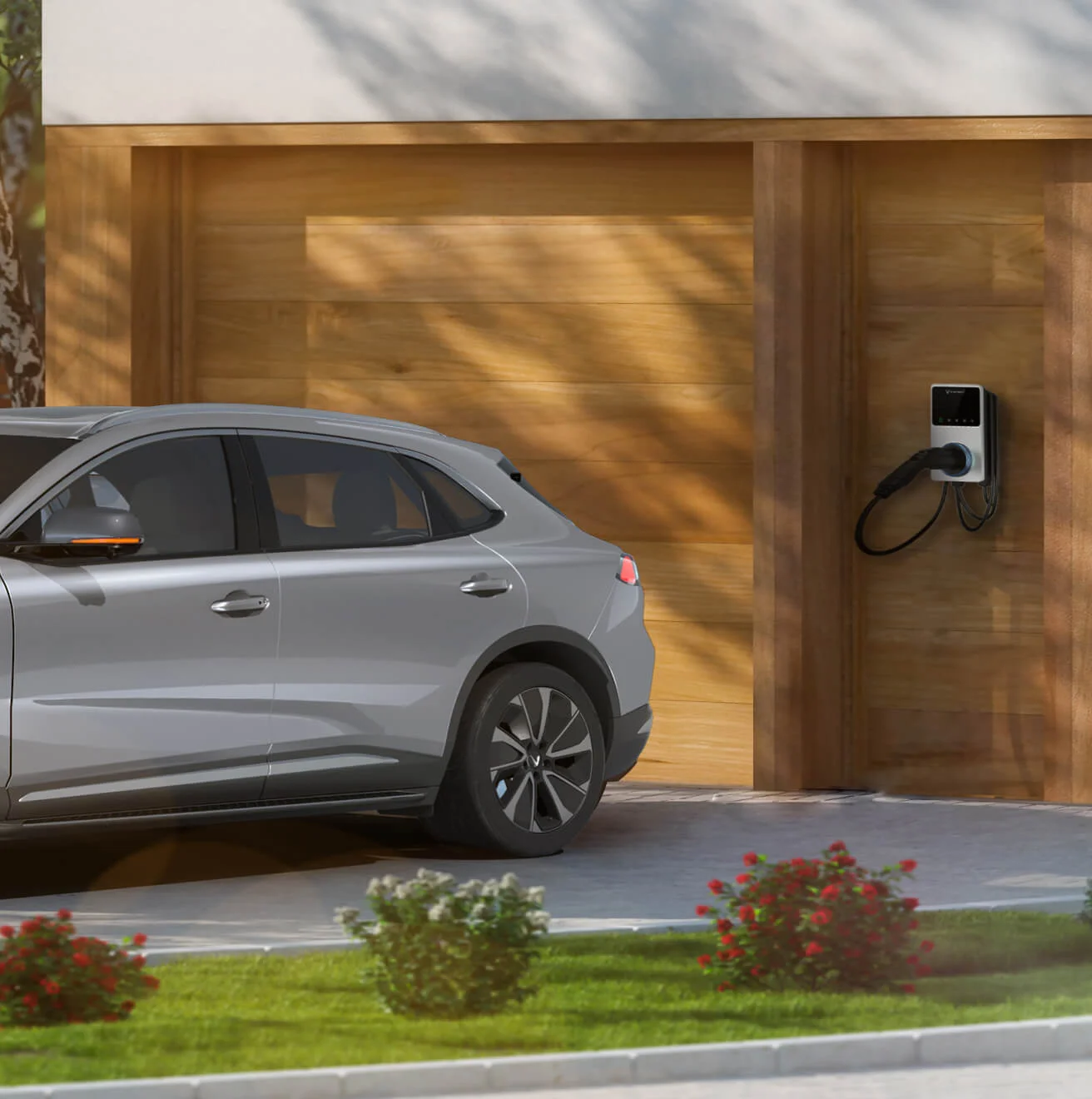
  VinFast Home Charging

Keeps You Ready 


This is the aspect of ABC that delivers the most immediate benefits.  Your vehicle is always ready, with a healthy state of charge, whenever you need it.  It is one of the many advantages of an EV over a gas-powered vehicle, so take advantage of it. 


Battery Health 


Every owner has an interest in extending battery life. Even if you plan to replace the vehicle long before the battery nears the end of its life, how much the vehicle has retained its original charging capability will be of high interest to any subsequent buyer. Thus, it isn’t wise to use Level 3 fast charging (DC-direct) on a day-to-day basis. Sure, it is fine to fast-charge during a long trip, but charging during your daily routine should be done at Level 2 or even Level 1. The sweet spot for optimal battery health is a shallow state of charge, which is in the upper half but not at 100%.  You want to avoid nearly 0-100% charge cycles whenever possible, and you also want to avoid leaving the battery at a low state of charge, such as under 20%, for extended periods. Both of these habits contribute to battery degradation over time.  
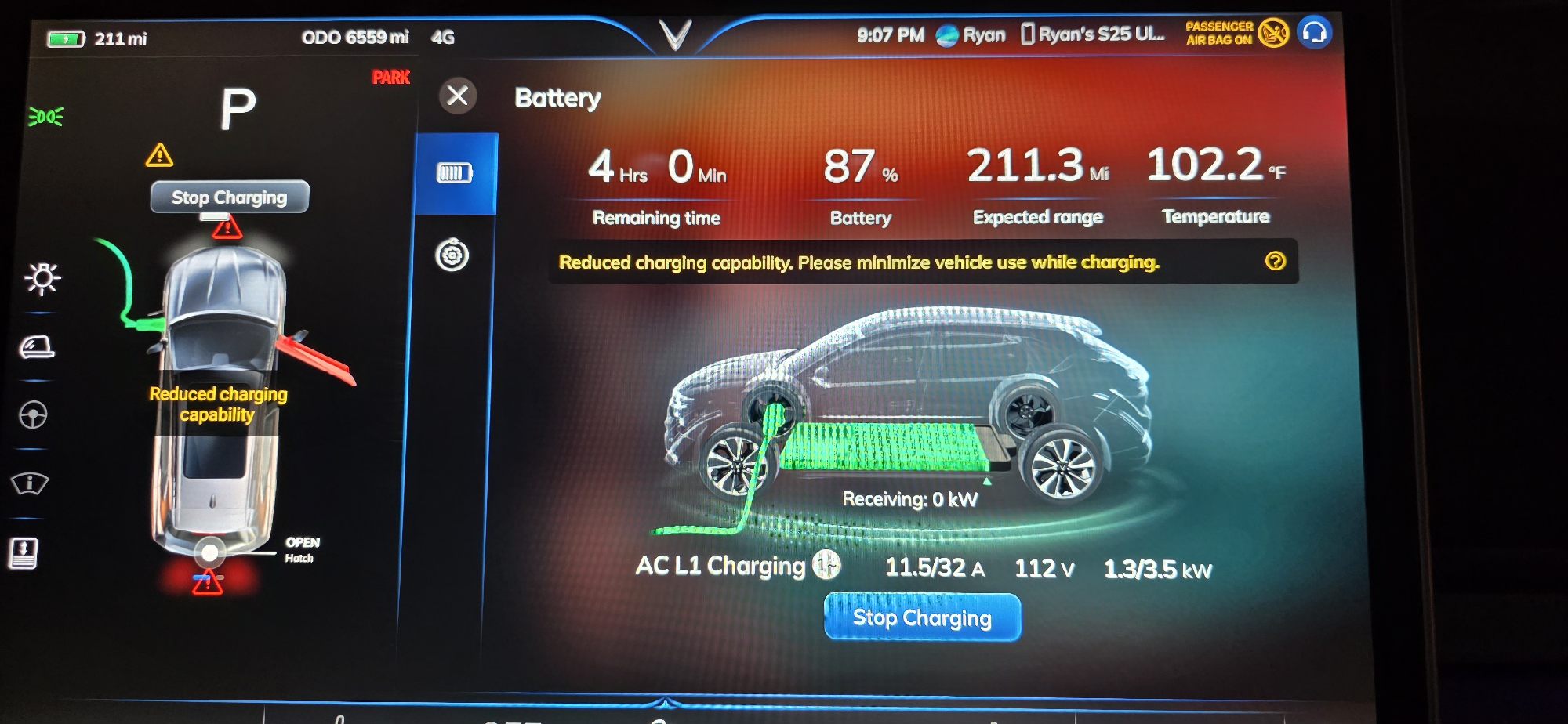
 

  80% Charge Level


Getting down to a 20% state of charge is expected on long trips that involve recharging at public stations. If your commute or daily routine is well within the vehicle’s full range, try to keep the vehicle charged enough to cover your daily routine with a healthy buffer, but there’s no need to charge to 100% since you don’t need to.   


Let’s say your daily drive routine is up to 80 miles, and your model has a range of 230 miles. Thus, 80 miles uses about 35% of your battery’s state of charge. If you set your EV to charge at home to 80% and plug it in every time you come home, your battery will stay between 45% and 80% at all times, which is ideal and helps keep the battery in the best state to extend its life. 


A third ABC reason is that keeping your vehicle plugged in at home lets you draw power from the grid whenever you want to pre-heat or pre-cool it before heading out. Not only does this make your vehicle very comfortable every time you leave home, but it also reduces the drain on the battery needed to get your vehicle to a proper temperature. Now all it has to do is maintain that temperature, which requires much less energy. The occasional software updates, which consume energy, will also be powered by the grid rather than the battery. 
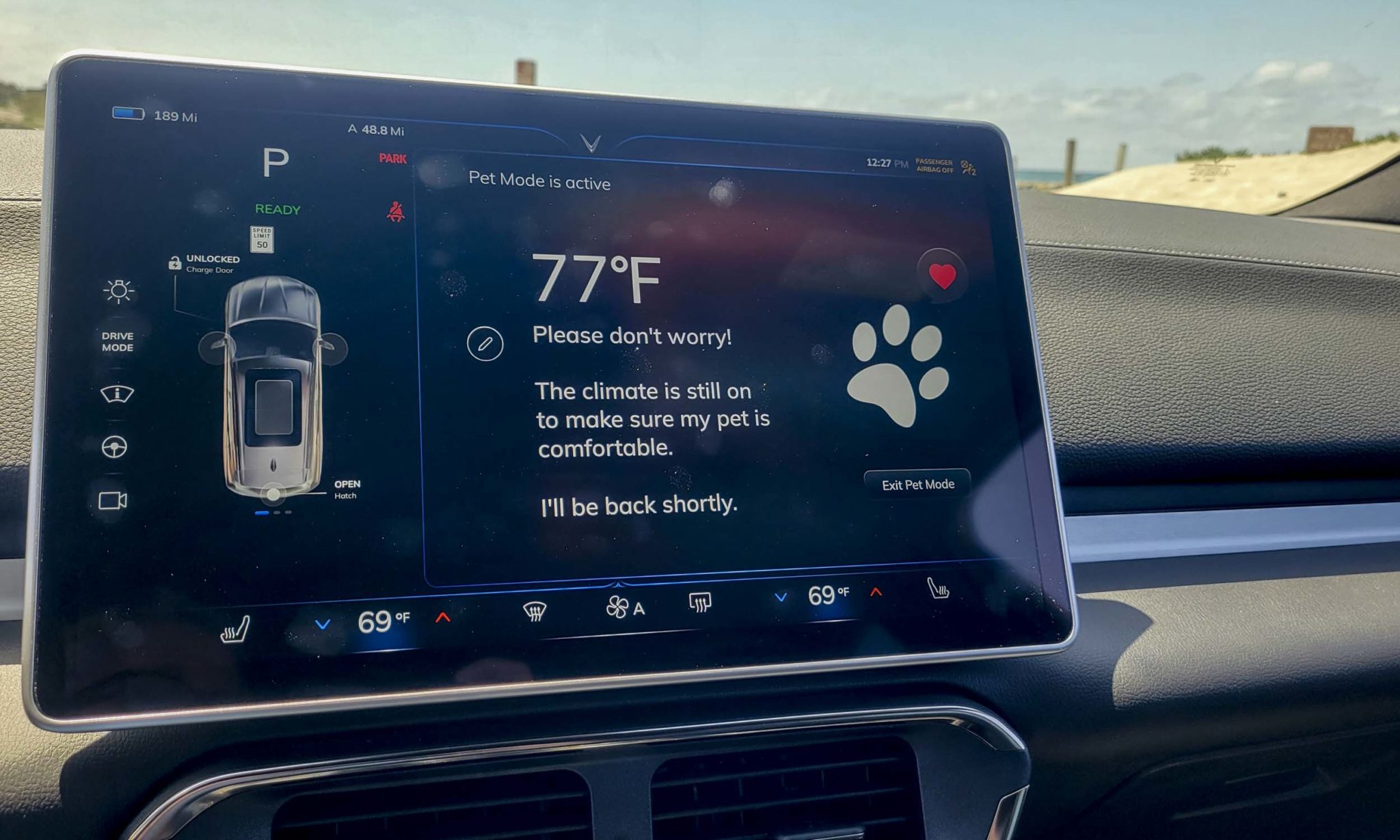
 

  VinFast Front Dash Screen


Again, all it takes is setting your charge limit to 80% (which you can change back to 100% before a long trip) and getting into the habit of plugging in your vehicle every time you come home. If you don’t have many evening trips after coming home, you can still take advantage of lower charging rates at certain times by selecting the start time for your charge. 


Remember when you first started using your seat belts every day? At first, you had to remind yourself, but later it became a habit you don’t even think about. Consider charging your EV at home the same way. If you have any additional questions about ABC, contact the service professionals at Ewing VinFast of Plano for the best advice.  
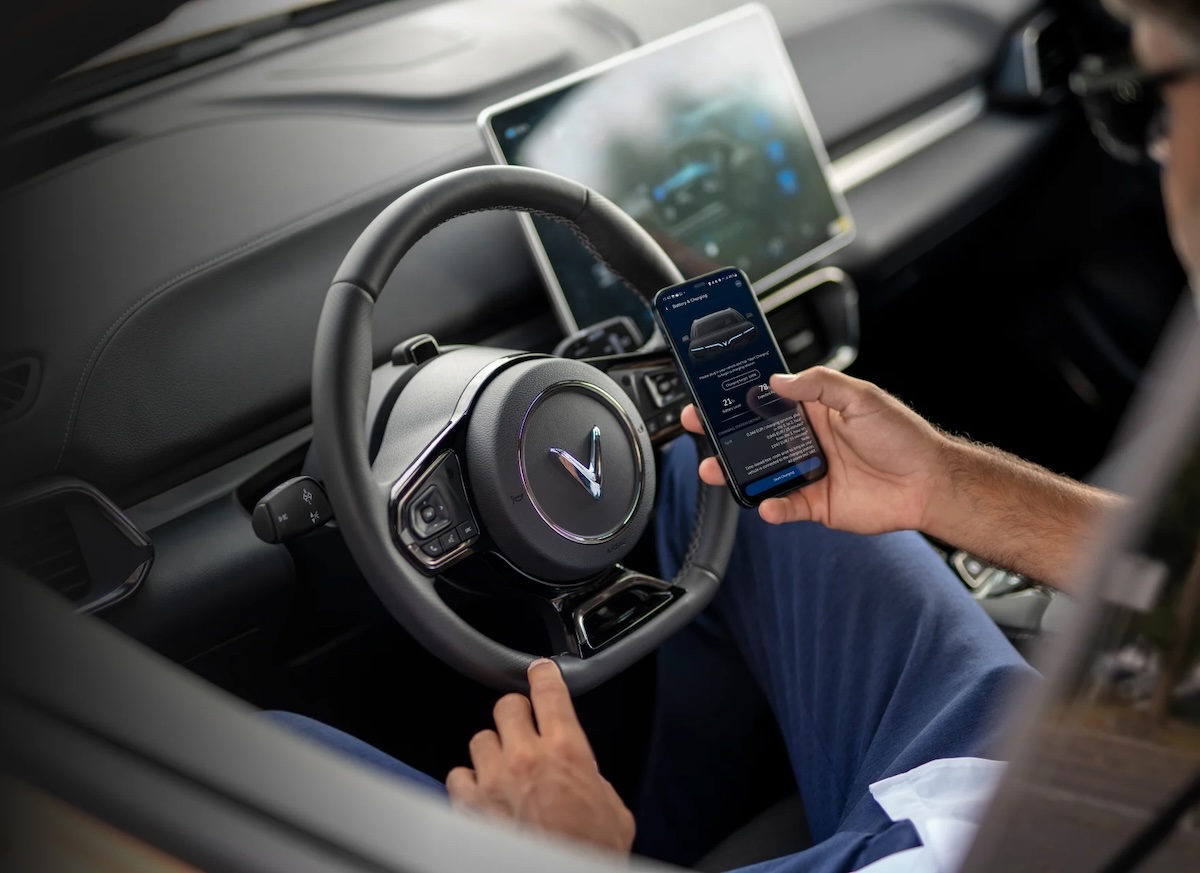
How Does Fast Charging Affect Battery Health

New VinFast App for iPhone and Android Smart Phone

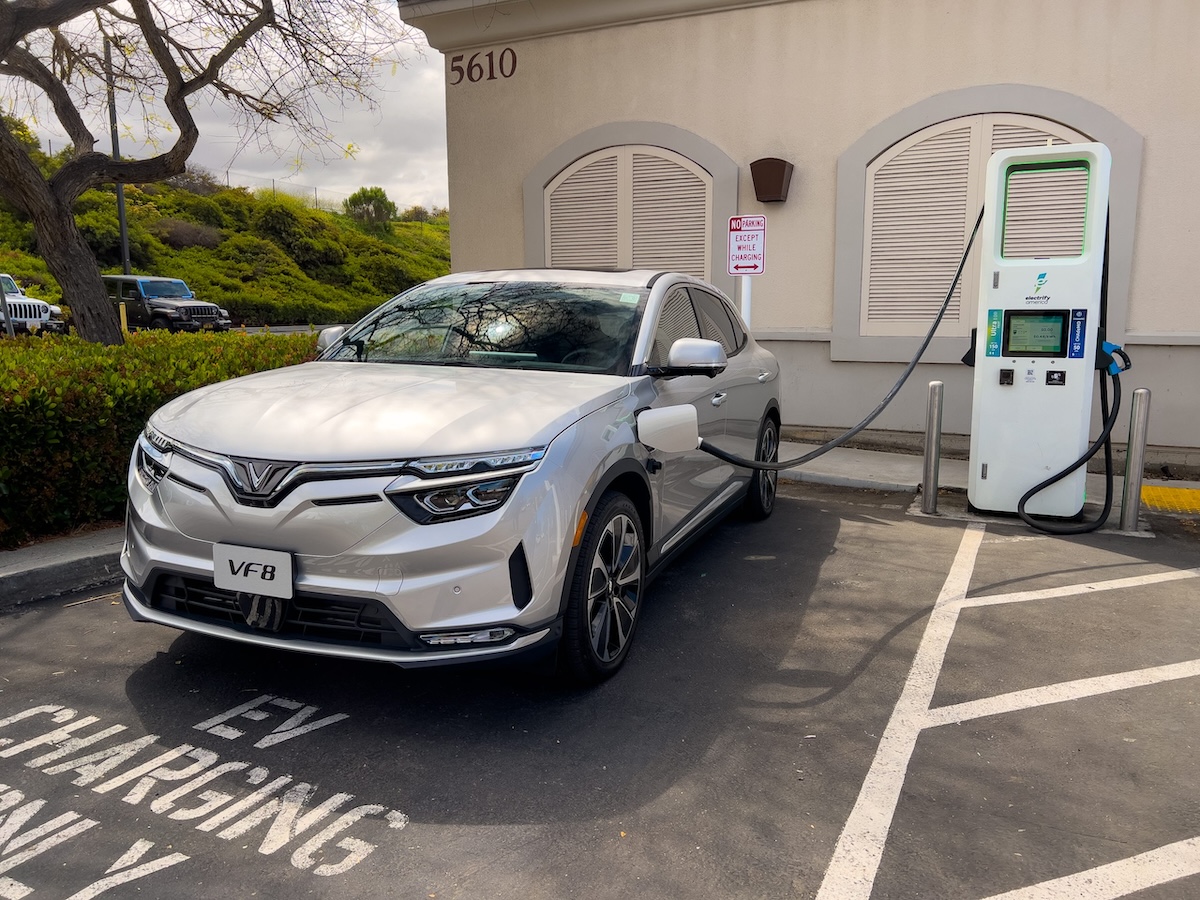
New VinFast VF8 ChargingA battery is a battery, whether it’s in your phone, a camera, or a car. Like every other piece of technology, batteries will slowly degrade over time. It’s perfectly normal and natural. However, there are things you can do to mitigate battery degradation in devices. While it is rare, sometimes batteries can lose some of their abilities more quickly, which is why VinFast has the best battery warranty in the business with its 10-year, unlimited-mile warranty.
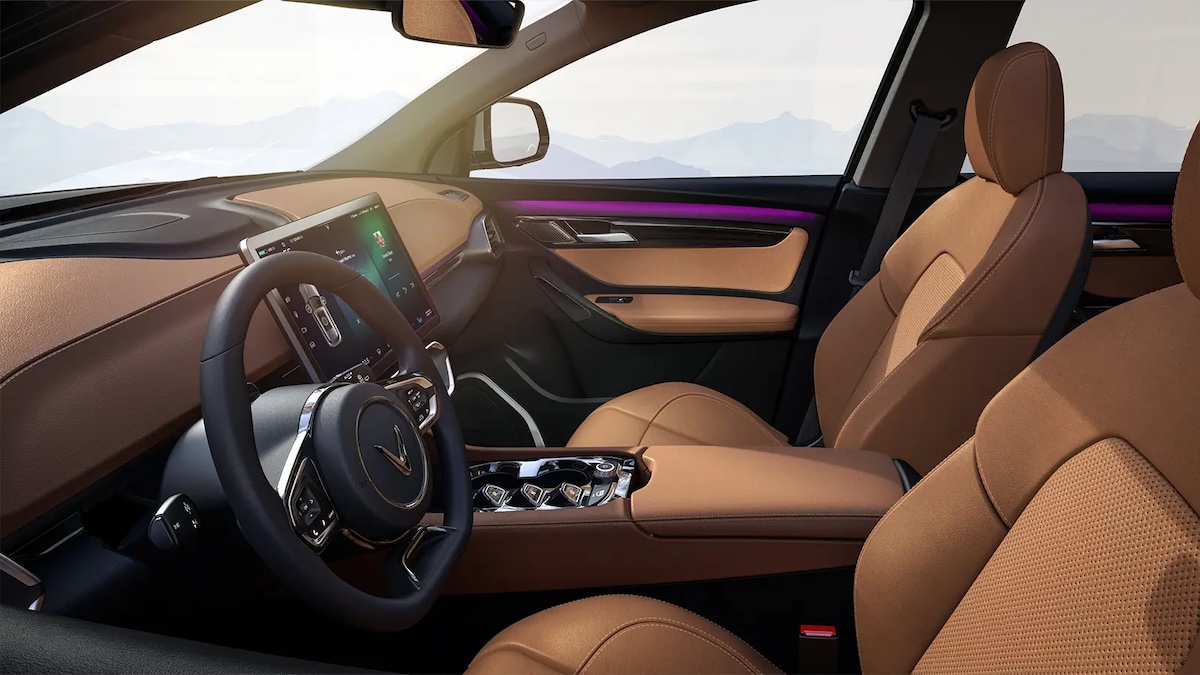
Learning How to Charge

Remember back in the day when cell phones were first coming out? It was recommended to charge them to full, then let them fully discharge on their own, and then from there, you could use them as normal. Well, now, especially with lithium-ion batteries in EVs and smartphones, it is recommended that batteries always charge between 20% and 80% most of the time. This is why car manufacturers like VinFast tell you the charging speed is between 20% and 70 or 80%.

New VinFast VF8 Interior Cabin and Seat DetailShould You Be Worried About Battery Degradation?
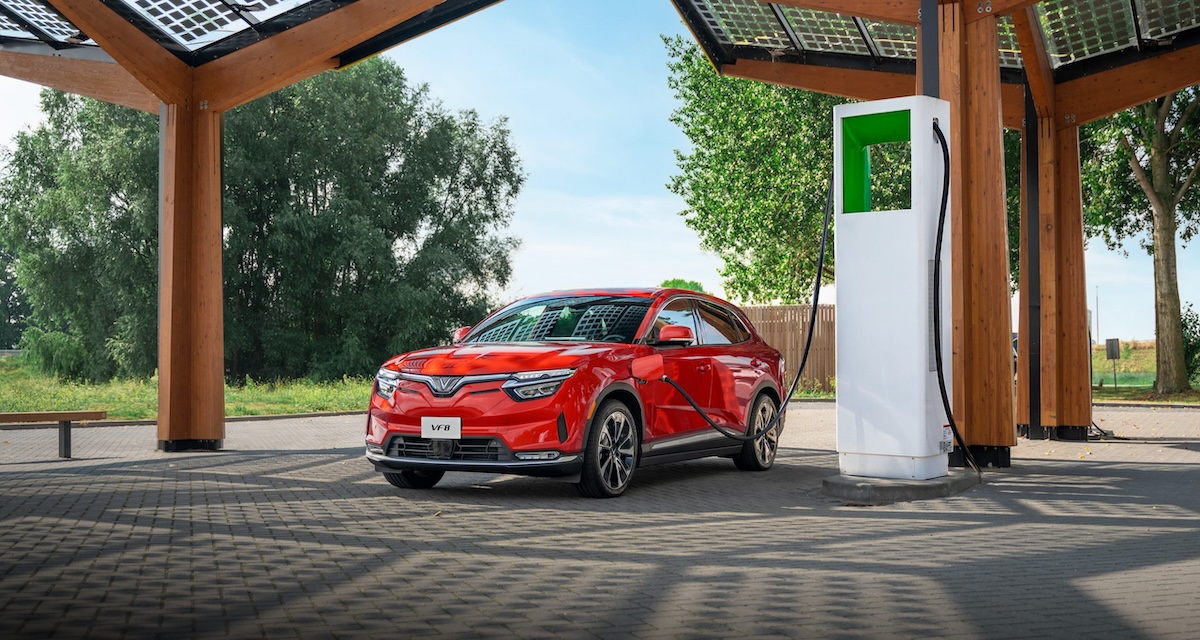
It can be tricky to know the best practices because, simply put, you are just trying to live your life and drive your car as you need to. One thing people are starting to ask is how much your VinFast is affected by charging the car via a Level 3 DC fast charger. That charger carries the most kilowatts to charge cars more quickly. In the case of a VF8 or VF9, that’s about 25 minutes to get you up to 70%. But does it hurt your battery life? Well, yes… kind of. Should you worry about it? That depends.

Where is it Best to Charge?

No matter what, it is always easiest and cheapest to charge at home. So, say you use 50% of your battery range by driving to and from work every day. When you plug into your home charger, which hopefully is a VinFast Home charger, the car and the charger will communicate. This will get you up to 80% at a reasonable rate and then relax the charge on its way up to 100% so as not to put too much strain on the battery. It is important to note that your EV is very smart and works hard to protect the battery system in your car.

New VinFast VF8 ChargingSome Studies Show Promising Results

Luckily for EV owners, some studies show that using fast chargers can have negligible degradation effects over time. That being said, if you do lots of long-distance traveling and utilize Level 3 chargers, not only will you be spending more money to charge your car, but over time, this could contribute to your battery health dwindling from 100% of capacity down to 90 or so percent after a couple of years of doing this. That means that your maximum range will drop by 10%.

When In Doubt, Charge at Home

There is still plenty of testing to be done to determine how batteries will last over time when charged more quickly and subjected to heat and stress. This is why it’s always best to charge your VinFast at home as much as possible.

New VinFast App for iPhone and Android Smart PhoneWhy Choose Ewing VinFast

At Ewing VinFast of Plano, we have the best prices on dozens of new VinFast EVs and used cars. Our well-educated sales staff and finance department will happily assist you with your EV questions and needs. Our fantastic service department will ensure your vehicle stays in the best condition.


We look forward to serving you.

Should I Always Charge My EV at Night?

VinFast Charging at Home

VinFast Charging at HomeThere are many questions new electric vehicle owners have. It’s kind of like having your first baby—although it’s nothing like having a baby, except in the sense that you wonder if you’re doing anything wrong, given you’re in an unfamiliar position. A question experts get asked all the time is when is it best to charge your VinFast EV? While it seems like a no-brainer to say at night, that answer is changing slightly in the current charging landscape. Thanks to new studies and information from companies like Recurrent Auto, we have more information than ever about charging and EV battery health.  
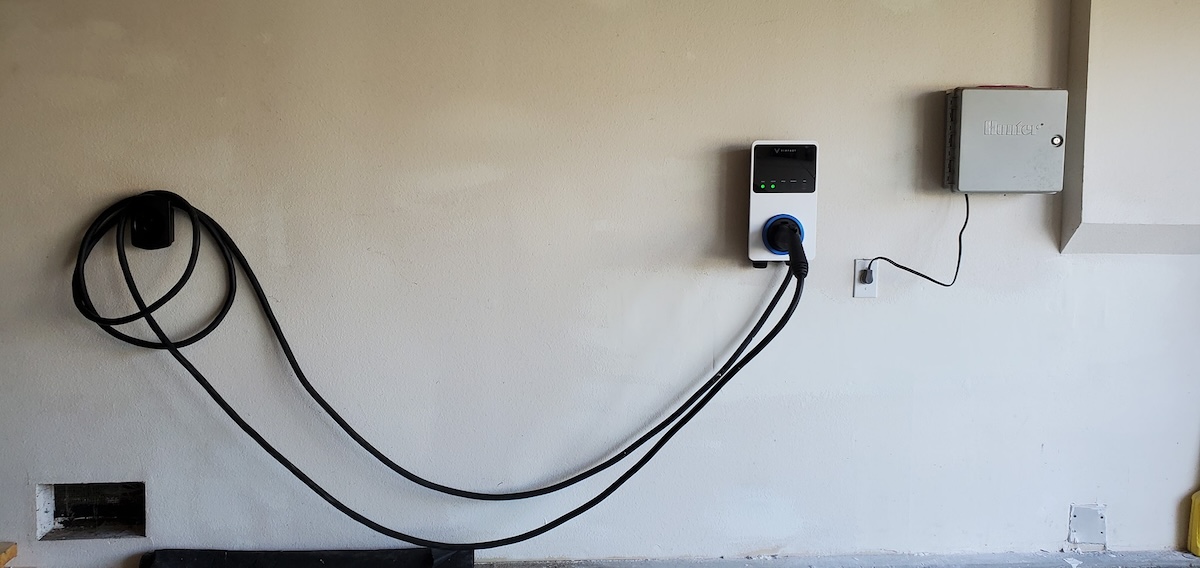
VinFast Home Charger InstalledTo Charge Overnight or to Not Charge Overnight… 
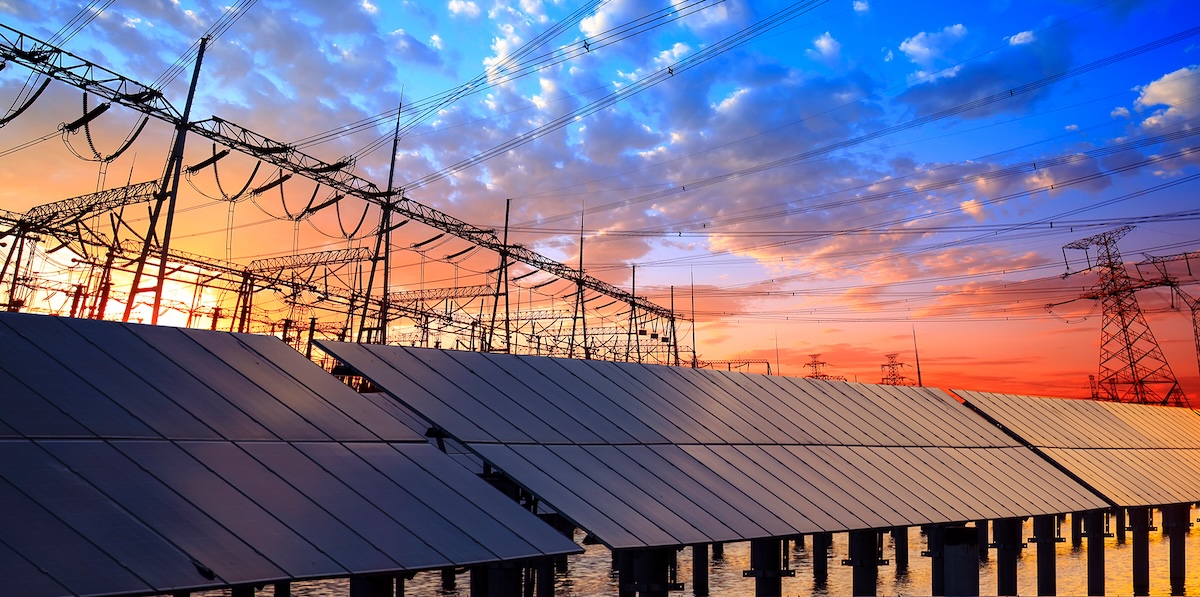
Charging your VinFast at night is, in most cases, a logical answer to when you should charge your car. Fewer items in your home are bogging down the grid. While you may be running your dishwasher at night, it’s rare that you’re also running your washing machine and the dryer, all while charging your car while you are sleeping. This means that energy costs and usages are typically much lower, as even your AC or heating system isn’t running as often or as hard, in most cases. However, it should be noted that energy companies could, at some point, start pricing their energy higher due to more demand at supposed off-peak hours around or after midnight.  

Should I charge my VinFast at Night?Check If Your State Uses Solar Energy for the Grid 
With that being said, there are states, like California, that utilize and take advantage of solar energy during the daytime when the sun is out and about up in the sky. This window is between 10 am and 4 pm. These would be optimal times to charge a car, as the grid is emitting less carbon dioxide (CO2) and various greenhouse gases. Instead, it’s being charged more naturally by the carbon-neutral sun. According to Recurrent, though, in California only about 25% of all EV charging occurs during 10 am to 4 pm.  

Electricity hydro power electric energy smart meter on the brick wallCan the Grid Have Too Many EVs Charging? 
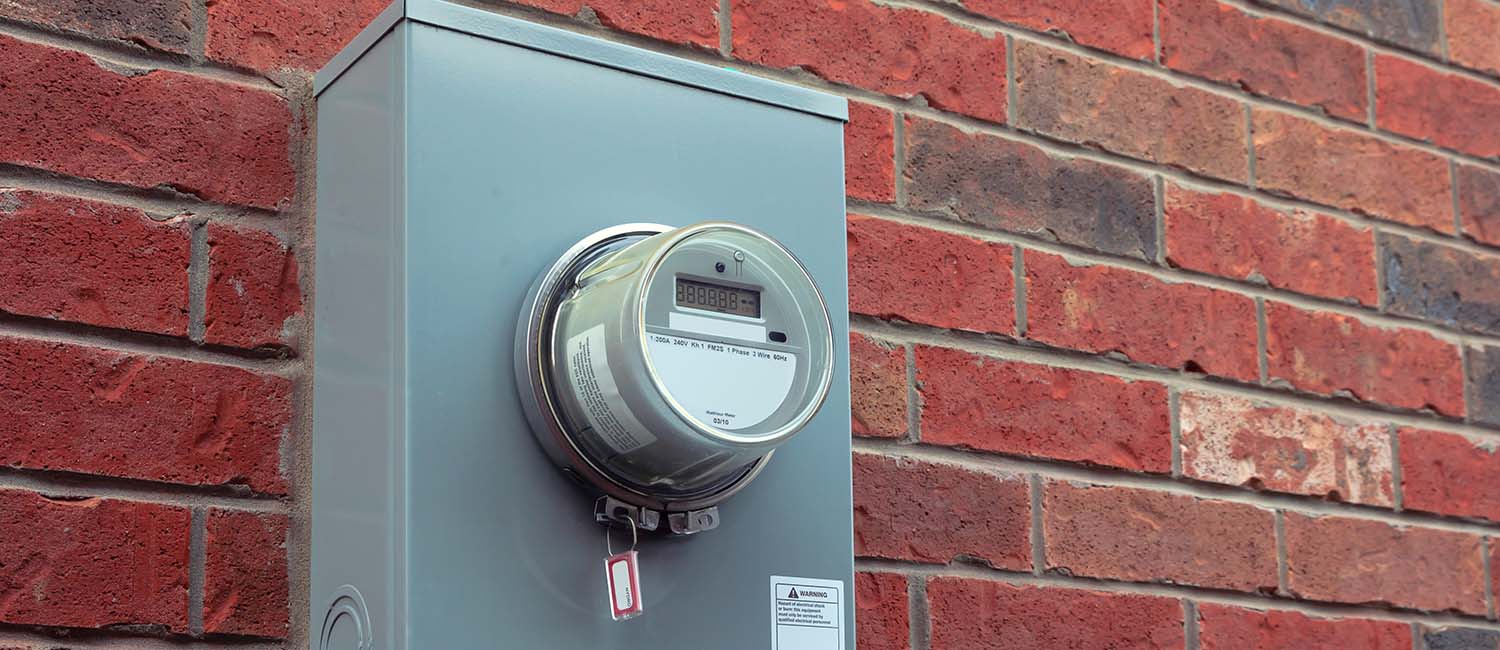
Now what happens if there are multiple EVs in your neighborhood that are all plugged in overnight? Well, believe it or not, the meter attached to your house is pretty intelligent. Most meters attached to houses are now called AMRs, or Automated Meter Readers, which send all your power and energy usage digitally to the energy provider. With the switch to digital, that means the meters and the grid as a whole can monitor things more closely. For instance, if you have a dozen cars on one street that are all plugged in to charge overnight, the meters and overall grid communicate with one another. They know the energy/charging needs of each car and can appropriately choose which vehicles to charge first. The systems also know when you typically plug your car in to charge and when you unplug your car. So, it will attempt to charge your car to 100% before the usual time that you unplug your car to leave.  

2025 VinFast Mobile App for iPhoneWhat to Do? 

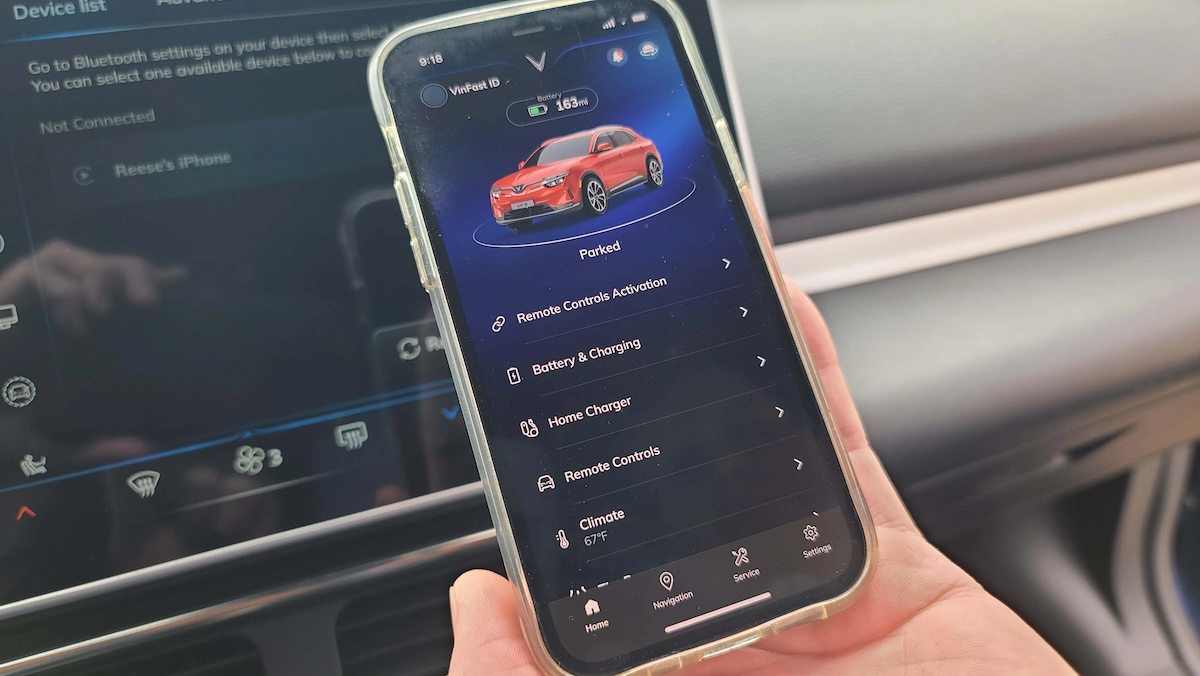
What is the answer? Well, home EV chargers can be set to charge to full by a certain time manually via the actual charger or by the app on your smartphone. If you leave for work at 7 am, then you’ll want to make sure your charger knows this and to tell it that you don’t care when your car gets charged, so long as it’s topped up to 100% by 7 am. Some utility companies offer users the ability to tell them when to charge your car, and some companies are working together to develop even smarter home charging systems that can learn when charging is cheapest, as well as automatically charge from renewable energy sources, whether from your house or the grid.  

Things Are Changing Quickly for the Better 

The EV industry is changing rapidly, bringing new questions and added solutions. For now, it’s best to plug your car in nightly at home and to tell the charger when you need your VinFast to be fully charged.  

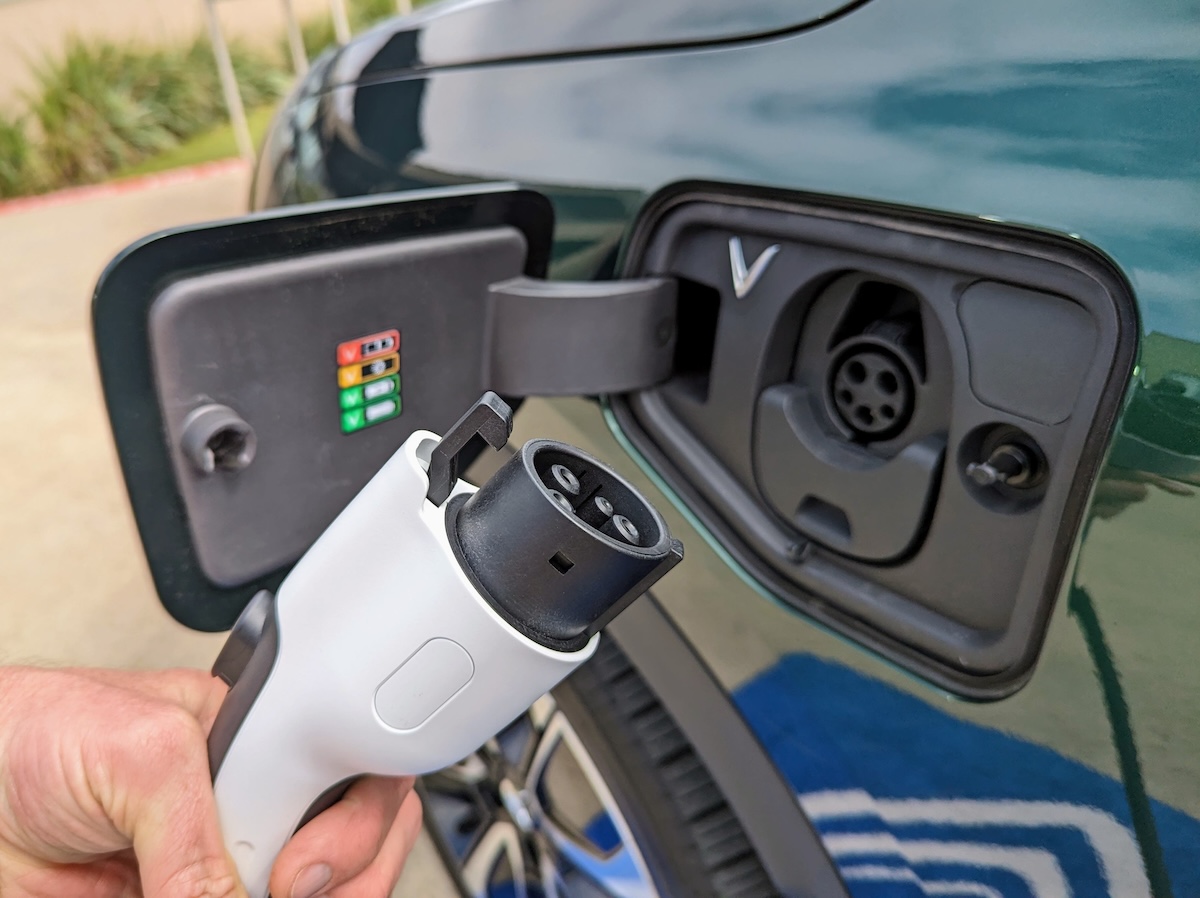
VinFast Charging PortWhy You Should Choose Ewing VinFast  

At Ewing VinFast of Plano, we have the best prices on dozens of new VinFast EVs and used cars. Our well-educated sales staff and finance department will happily assist you with your EV questions and needs. Our fantastic service department will ensure your vehicle stays in the best condition.    

We look forward to serving you.