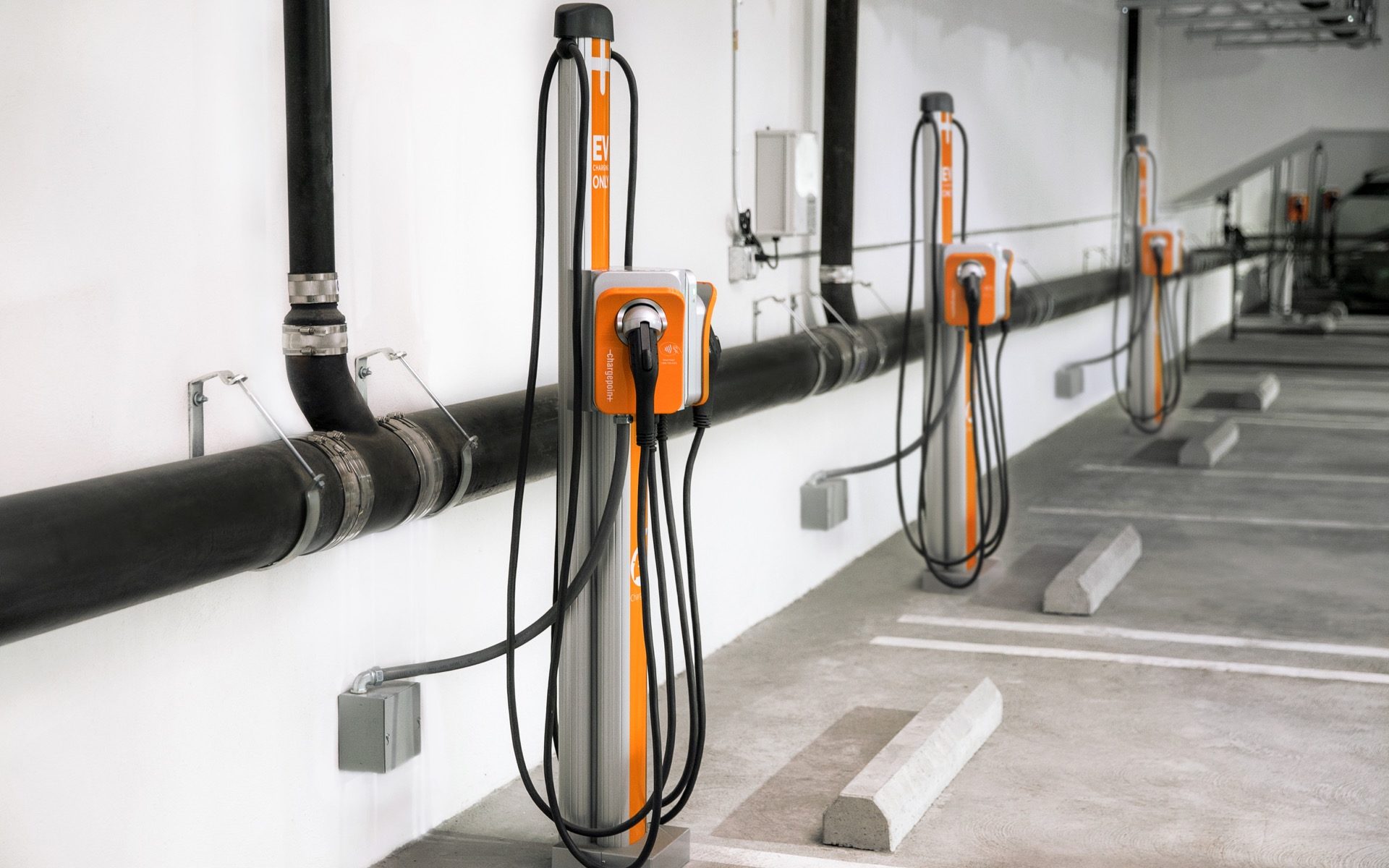
There is no doubt that EV ownership involves some changes in how you interact with your personal transportation. It is also true that EV ownership works much more smoothly when you can charge at home. If you can charge at home, you should be aware of this fundamental ABC of EV ownership. ABC stands for “Always Be Charging.” This Ewing VinFast of Plano blog explains.
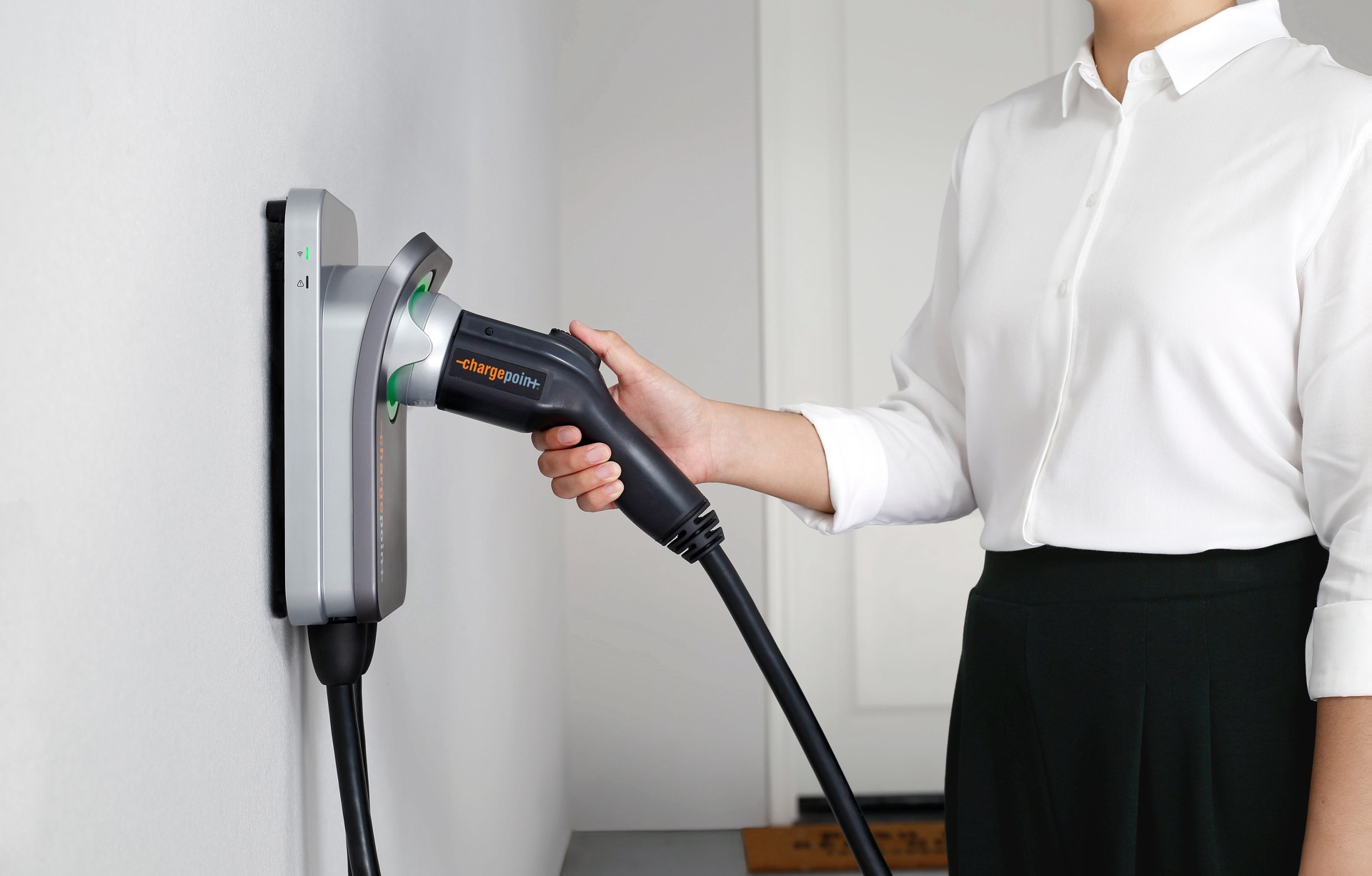
Obviously, EV ownership means never having to go to a gas station to refuel your vehicle. But the reasoning behind Always Be Charging is that EV owners should shift from the gas-refuel mindset, which involves waiting until their vehicle is low or nearly empty before refueling. Not only is this unnecessary for anyone who charges at home, but it is also not a good idea. Ideally, you should plug in your car every time you come home. There are a few reasons for this.
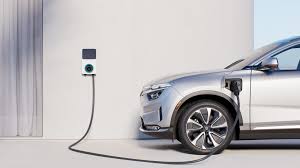
Keeps You Ready
This is the aspect of ABC that delivers the most immediate benefits. Your vehicle is always ready, with a healthy state of charge, whenever you need it. It is one of the many advantages of an EV over a gas-powered vehicle, so take advantage of it.
Battery Health
Every owner has an interest in extending battery life. Even if you plan to replace the vehicle long before the battery nears the end of its life, how much the vehicle has retained its original charging capability will be of high interest to any subsequent buyer. Thus, it isn’t wise to use Level 3 fast charging (DC-direct) on a day-to-day basis. Sure, it is fine to fast-charge during a long trip, but charging during your daily routine should be done at Level 2 or even Level 1. The sweet spot for optimal battery health is a shallow state of charge, which is in the upper half but not at 100%. You want to avoid nearly 0-100% charge cycles whenever possible, and you also want to avoid leaving the battery at a low state of charge, such as under 20%, for extended periods. Both of these habits contribute to battery degradation over time.
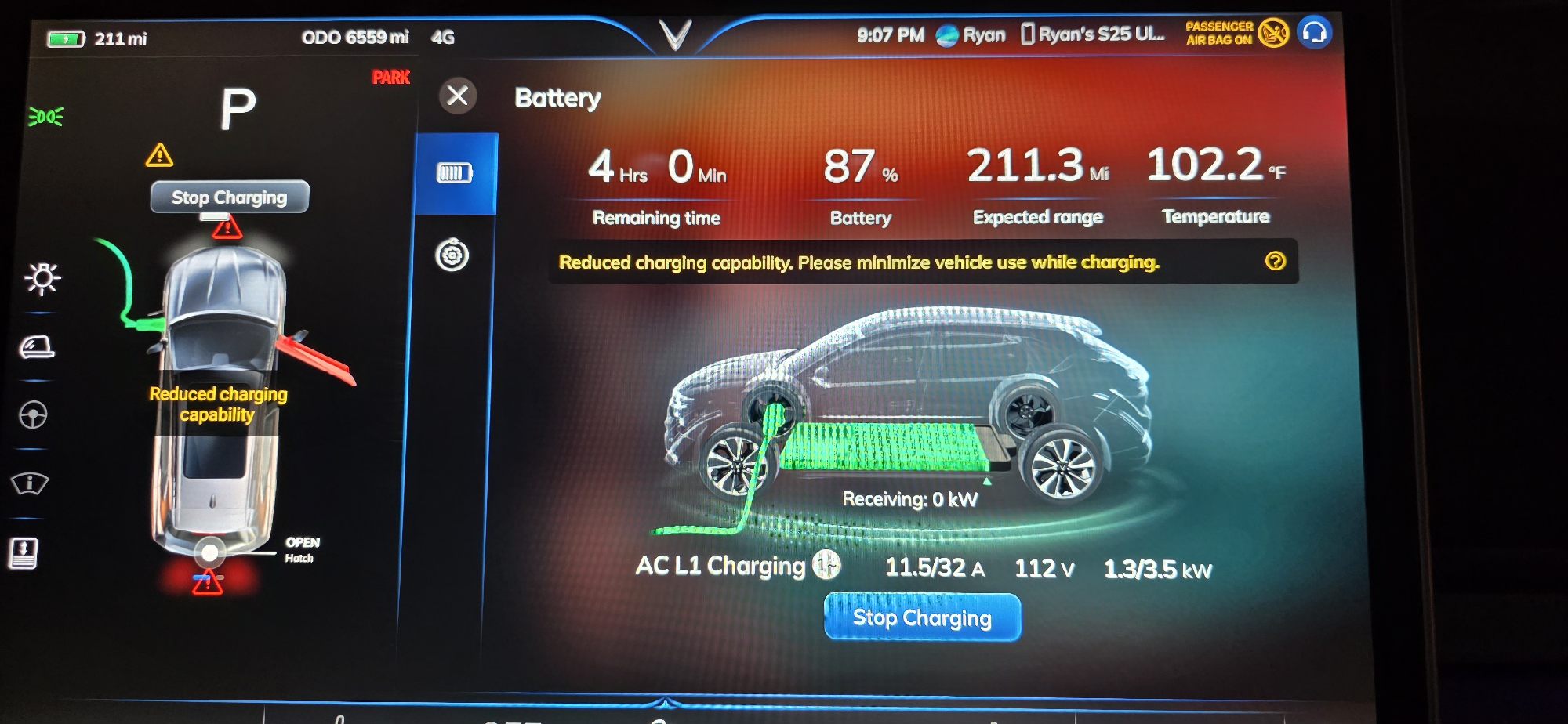
Getting down to a 20% state of charge is expected on long trips that involve recharging at public stations. If your commute or daily routine is well within the vehicle’s full range, try to keep the vehicle charged enough to cover your daily routine with a healthy buffer, but there’s no need to charge to 100% since you don’t need to.
Let’s say your daily drive routine is up to 80 miles, and your model has a range of 230 miles. Thus, 80 miles uses about 35% of your battery’s state of charge. If you set your EV to charge at home to 80% and plug it in every time you come home, your battery will stay between 45% and 80% at all times, which is ideal and helps keep the battery in the best state to extend its life.
A third ABC reason is that keeping your vehicle plugged in at home lets you draw power from the grid whenever you want to pre-heat or pre-cool it before heading out. Not only does this make your vehicle very comfortable every time you leave home, but it also reduces the drain on the battery needed to get your vehicle to a proper temperature. Now all it has to do is maintain that temperature, which requires much less energy. The occasional software updates, which consume energy, will also be powered by the grid rather than the battery.
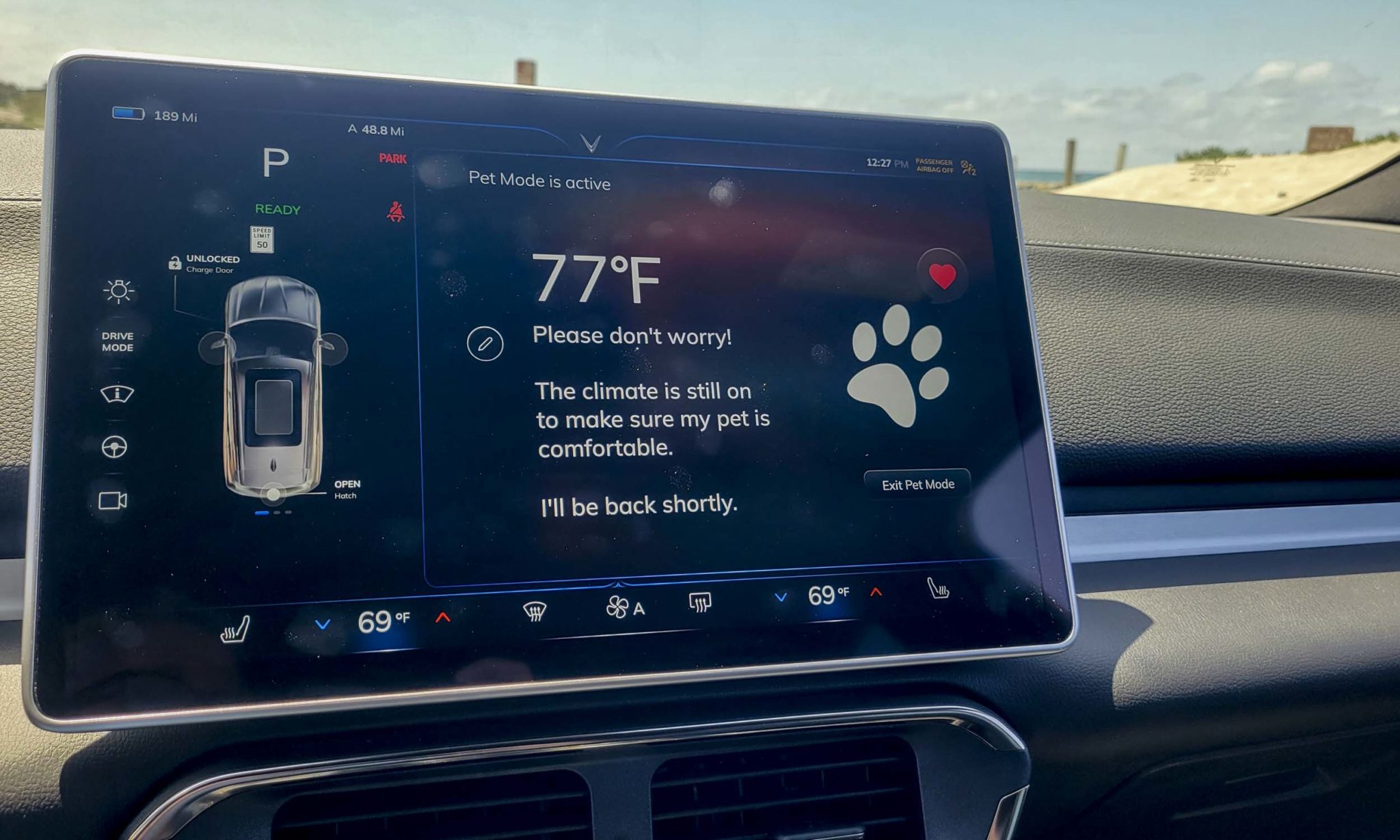
Again, all it takes is setting your charge limit to 80% (which you can change back to 100% before a long trip) and getting into the habit of plugging in your vehicle every time you come home. If you don’t have many evening trips after coming home, you can still take advantage of lower charging rates at certain times by selecting the start time for your charge.
Remember when you first started using your seat belts every day? At first, you had to remind yourself, but later it became a habit you don’t even think about. Consider charging your EV at home the same way. If you have any additional questions about ABC, contact the service professionals at Ewing VinFast of Plano for the best advice.