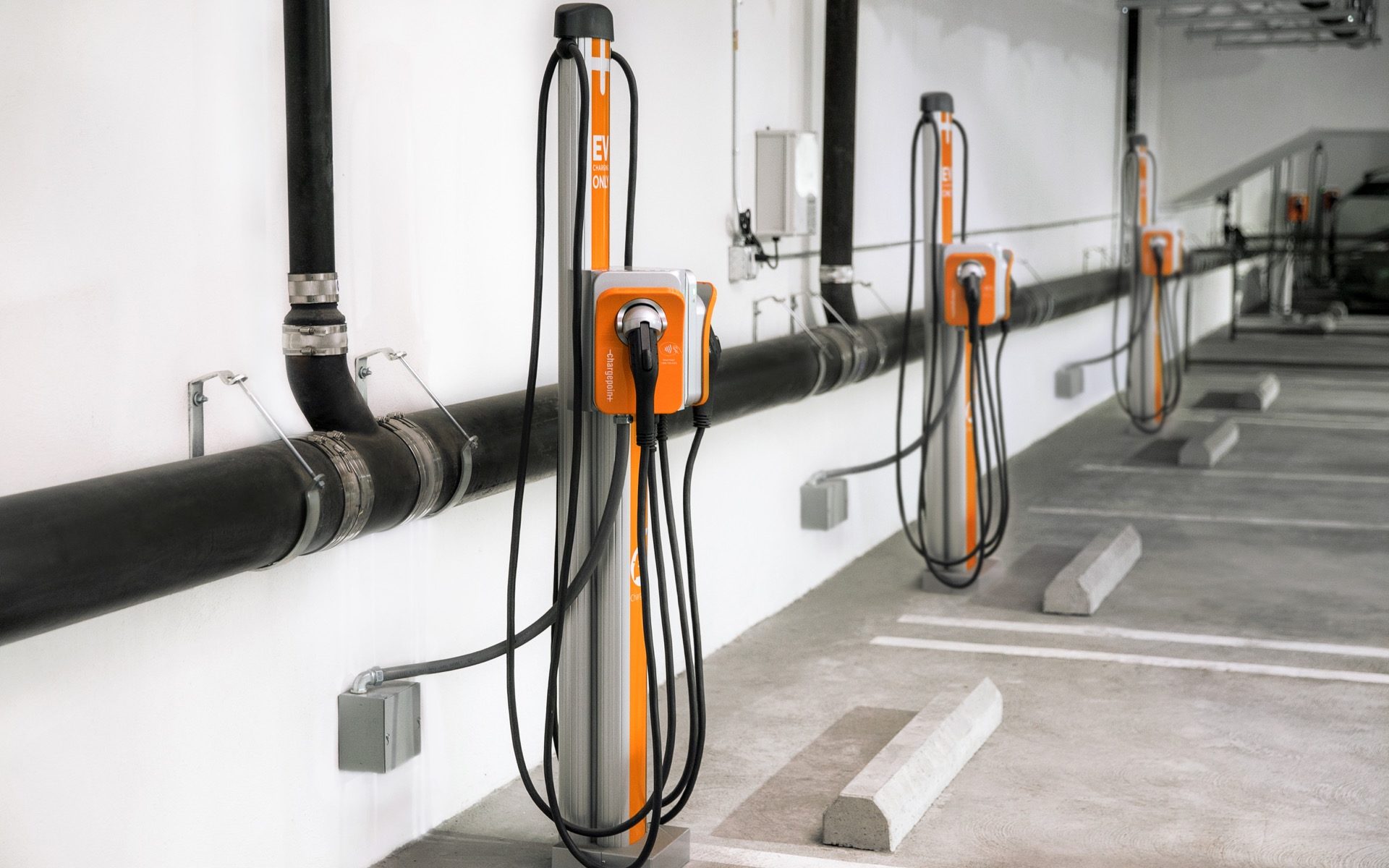
You may have heard that there are three levels of charging for your VinFast VF8 and VF9. Even though they are different, the principle of their use is the same – to return energy into the battery pack of your vehicle. What are these three levels? Which is best for your VinFast electric vehicle, and which will fit your needs?
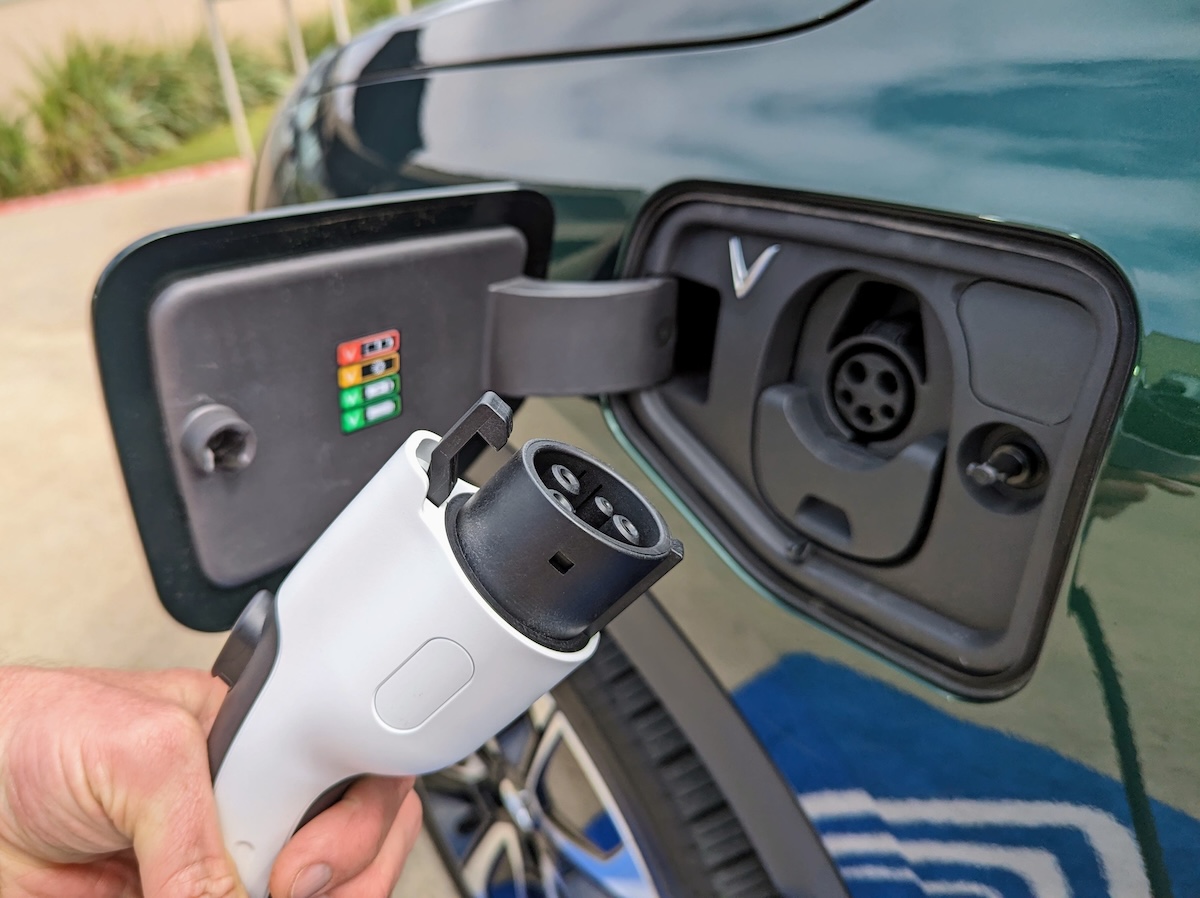
For starters, there is Level 1. While it plugs into your VF8 and VF9 via a J1772 connector, it also plugs into a 110-120-volt three-prong wall socket. Charging is slow, but you can charge from any electrical outlet with a charger available.
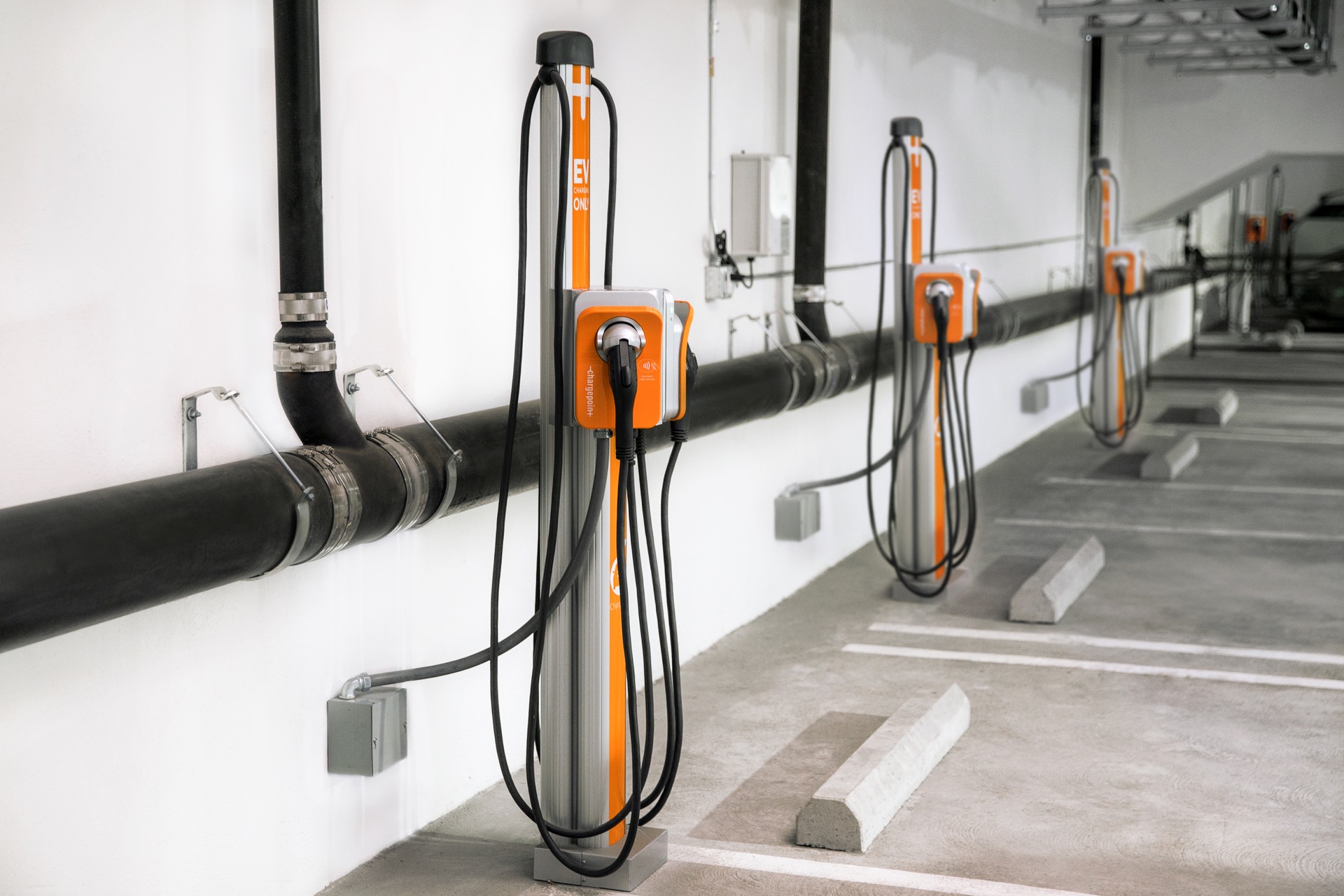
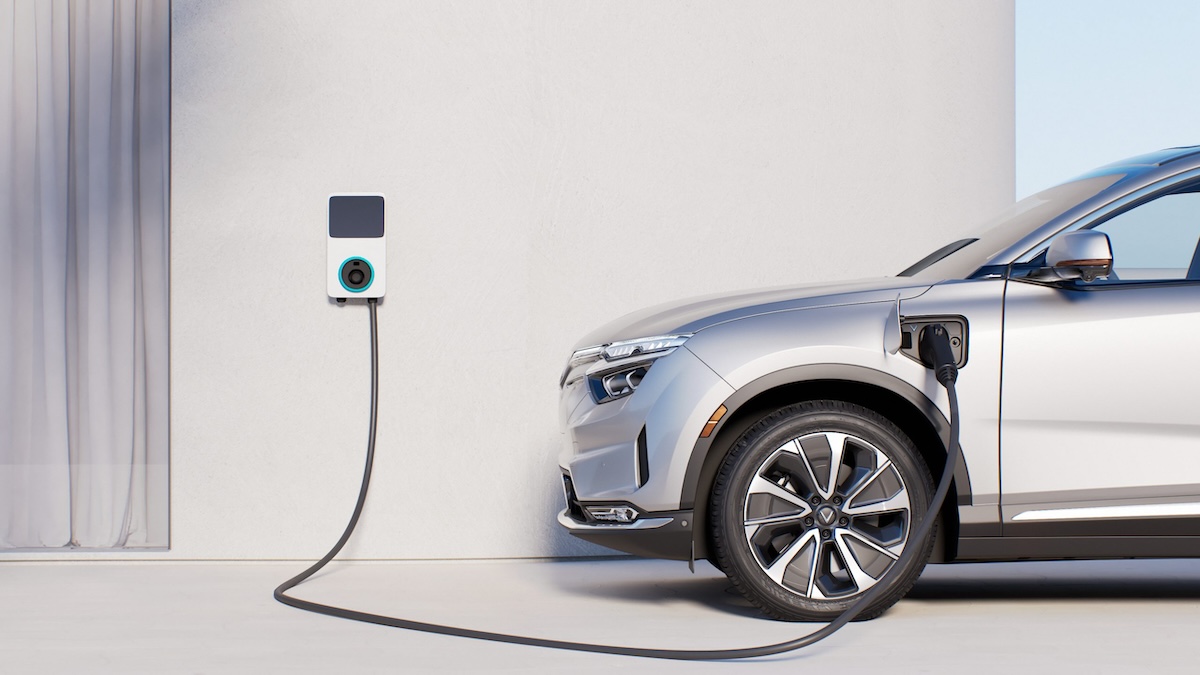
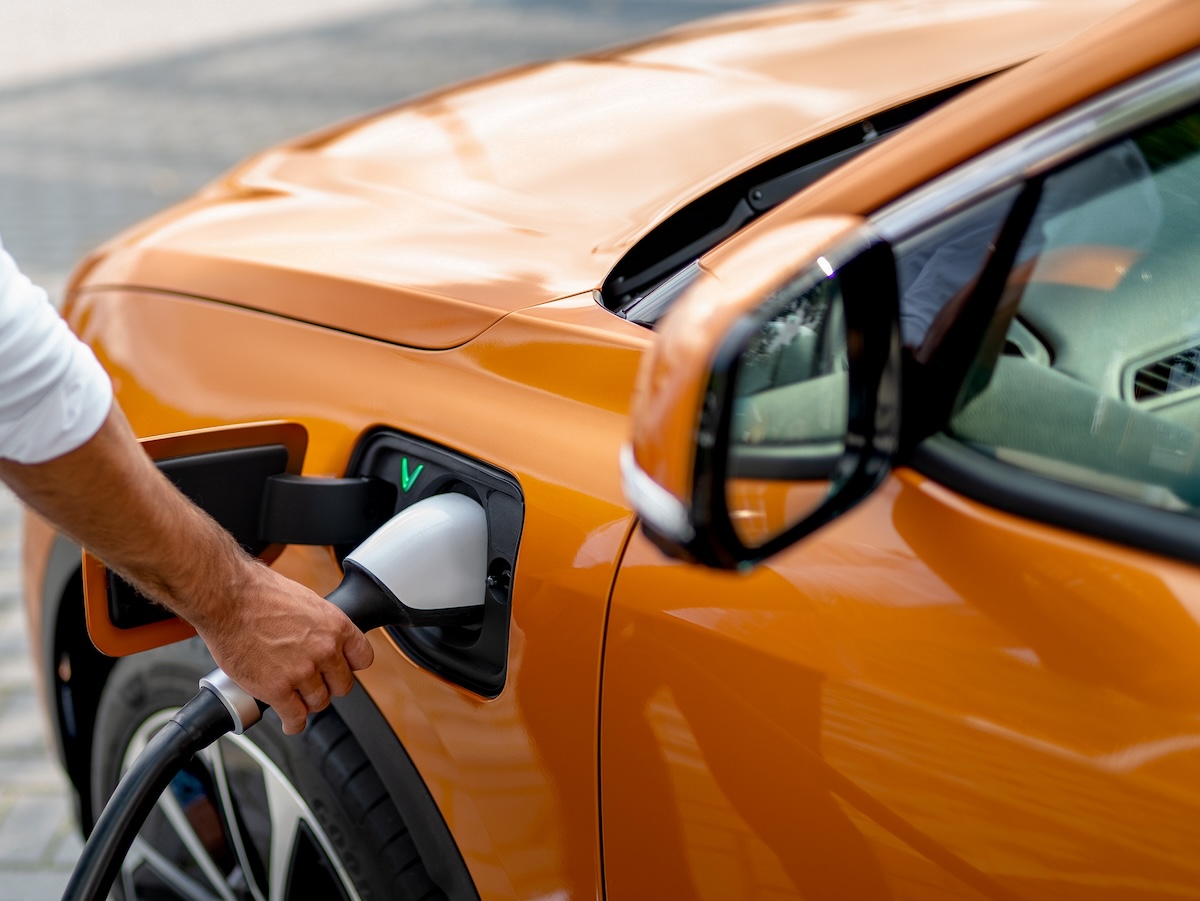
If you need more energy sooner, step up to Level 2. This is now the most common method for recharging your vehicle. Level 2 chargers are available in two ways. One is a hard-wired home charging station that runs off your home’s 220-240-volt electrical circuit. Using one of these chargers – including VinFast’s own Home Charger – can deliver 25 miles of range per hour of charging. In fact, it would take 9-1/2 hours to recharge from 6% to 100% state of charge. All you have to do is plug in your VF8 or VF9 when you get home, and it will be fully charged by the time you head out the next day.
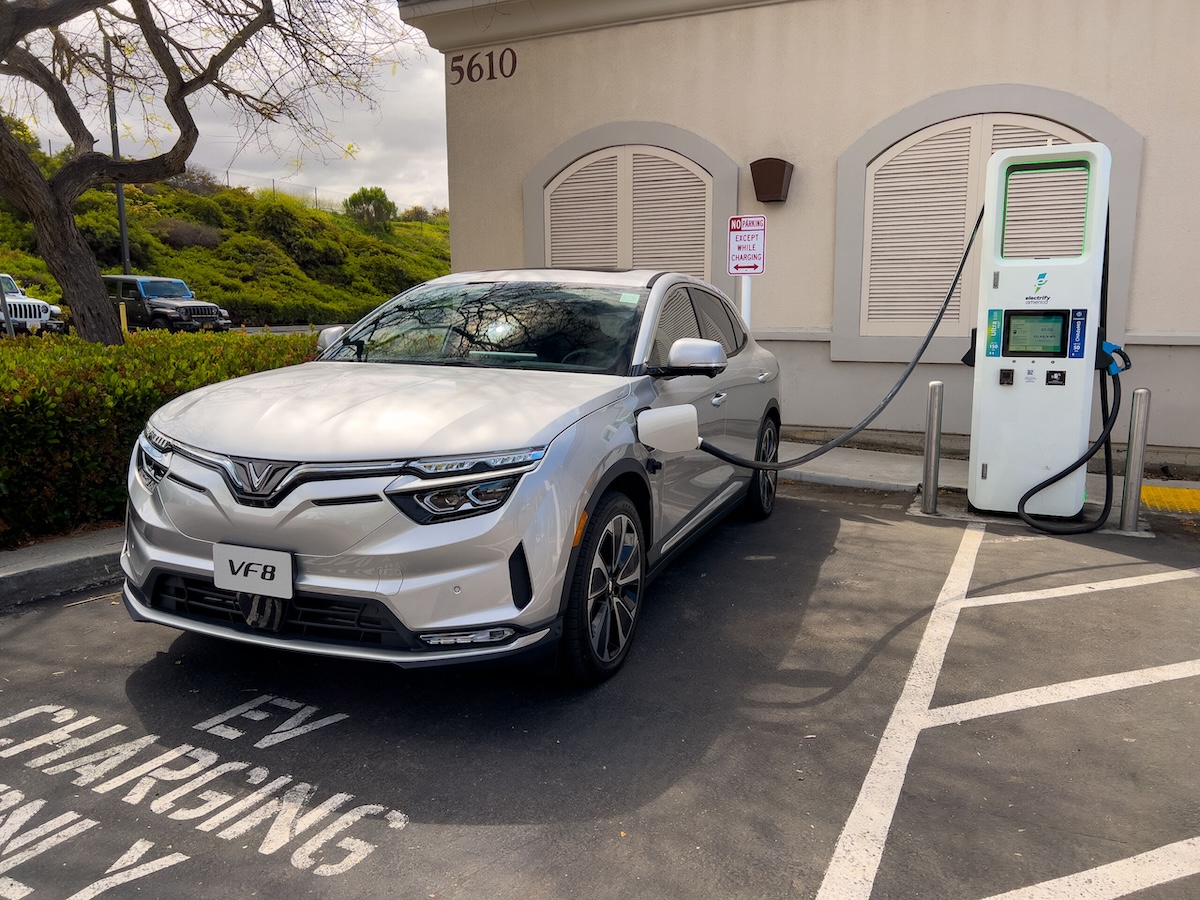
The other type of Level 2 charger is found at various public locations. You can find them at city parking lots, grocery stores, and other retail locations. Recharge rates vary by location. You may find that they are offered for free at several locations, as a courtesy of the store or location.
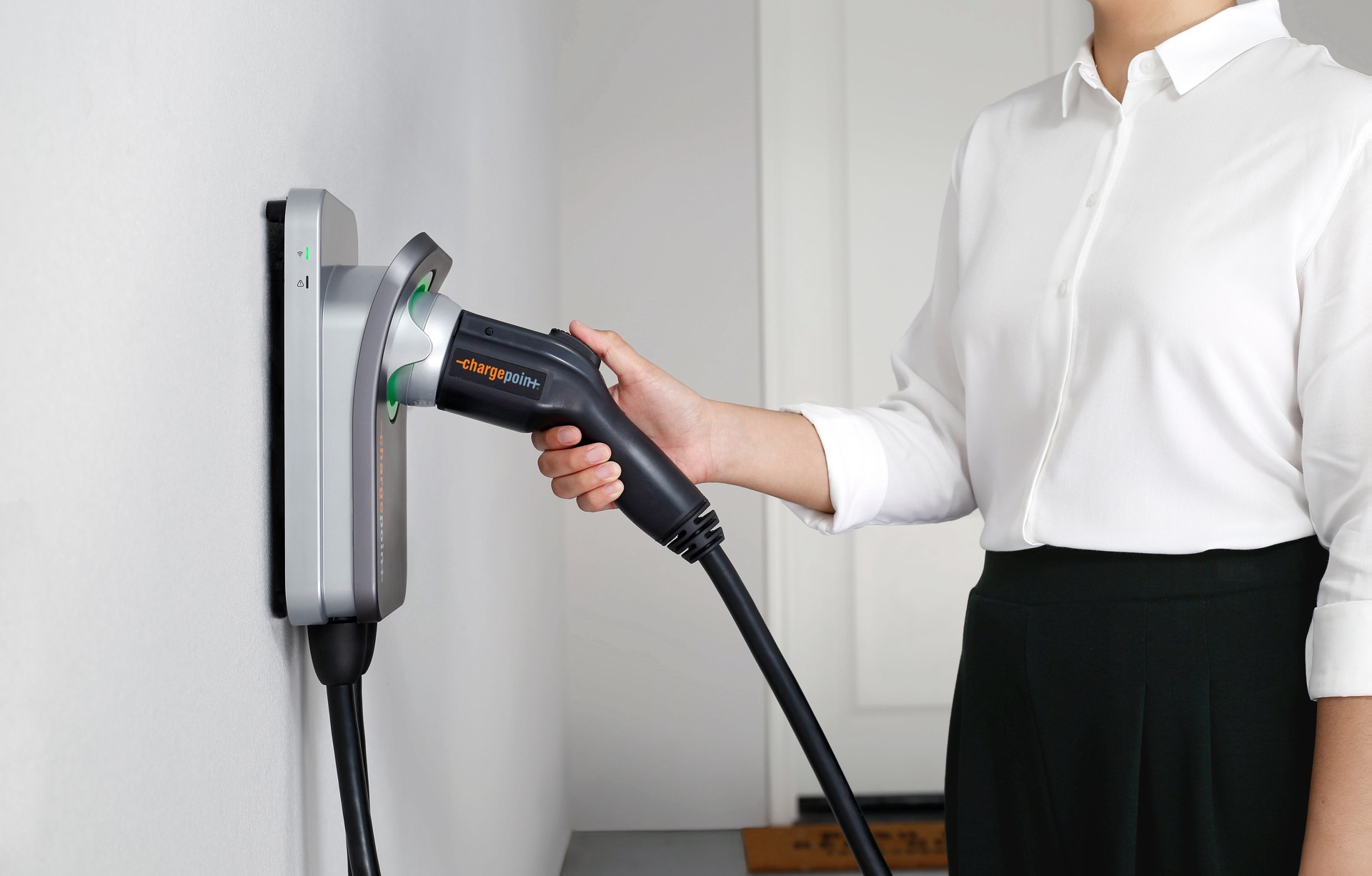
A growing number of public charging stations run at Level 3. Also known as DC Fast Charging, these high-voltage stations are designed for quick recharges on the go. For the VF8 and VF9, they use a combined plug with a J1772 and CCS connection. The CCS part – the lower two-prong outlet in your VinFast, is where transfer of energy accelerates to add more back to your battery.
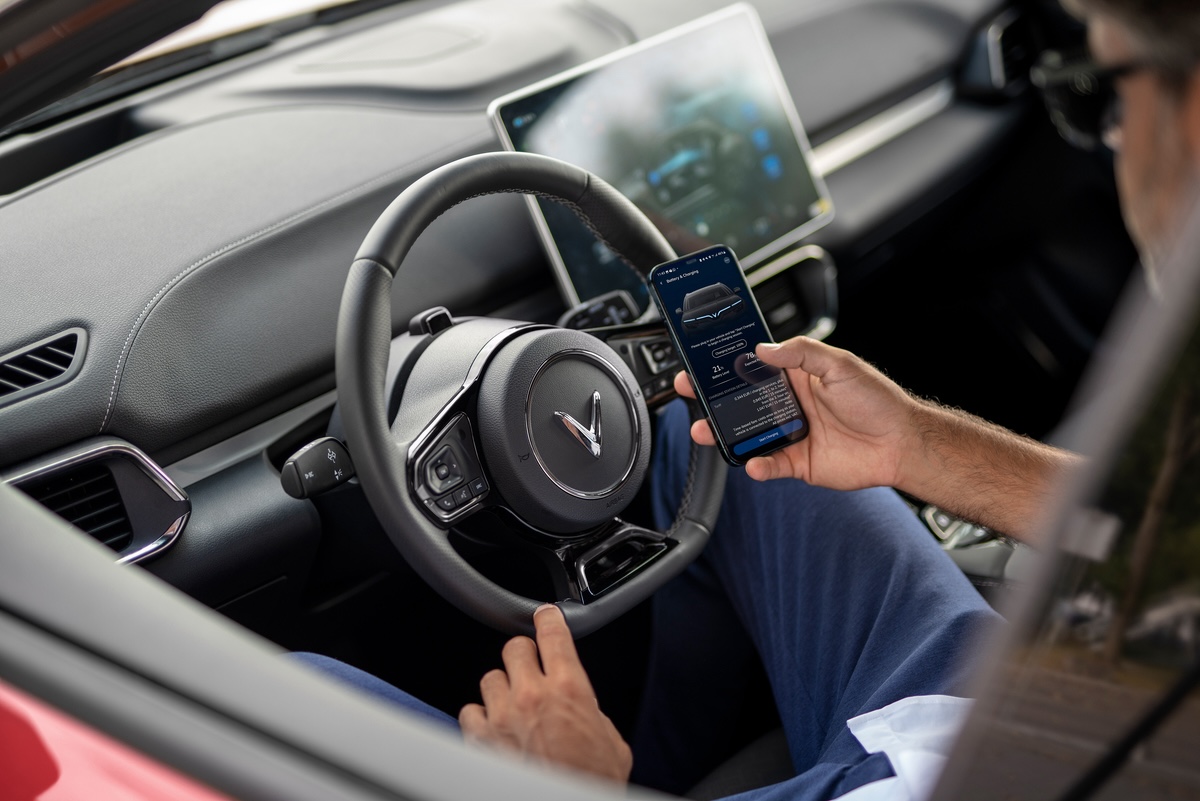
In fact, it takes about 25-35 minutes to recharge your VinFast from 10% state of charge to 70% using a public DC Fast Charging station. These stations may charge for their charging services. However, your VinFast App can help manage these charging sessions by loading a payment method, simulating the charging session, and monitoring its progress.
Another type of DC Fast Charging plug is the NACS (North American Charging Standard). This plug type is not on your VinFast, but you can get a third-party adapter for the times when you find yourself at a station that uses the slimmer NACS port.
At Ewing VinFast of Plano, we are here to assist you with your ownership experience – including tips for charging your VF8 or VF9. If you have any further questions, do not hesitate to contact us.
 Cost To Charge at Home
 Cost To Fill Up a Car with Gasoline
 The Cost to Use A Paid Public Charger
 Check To Find Free Local Chargers