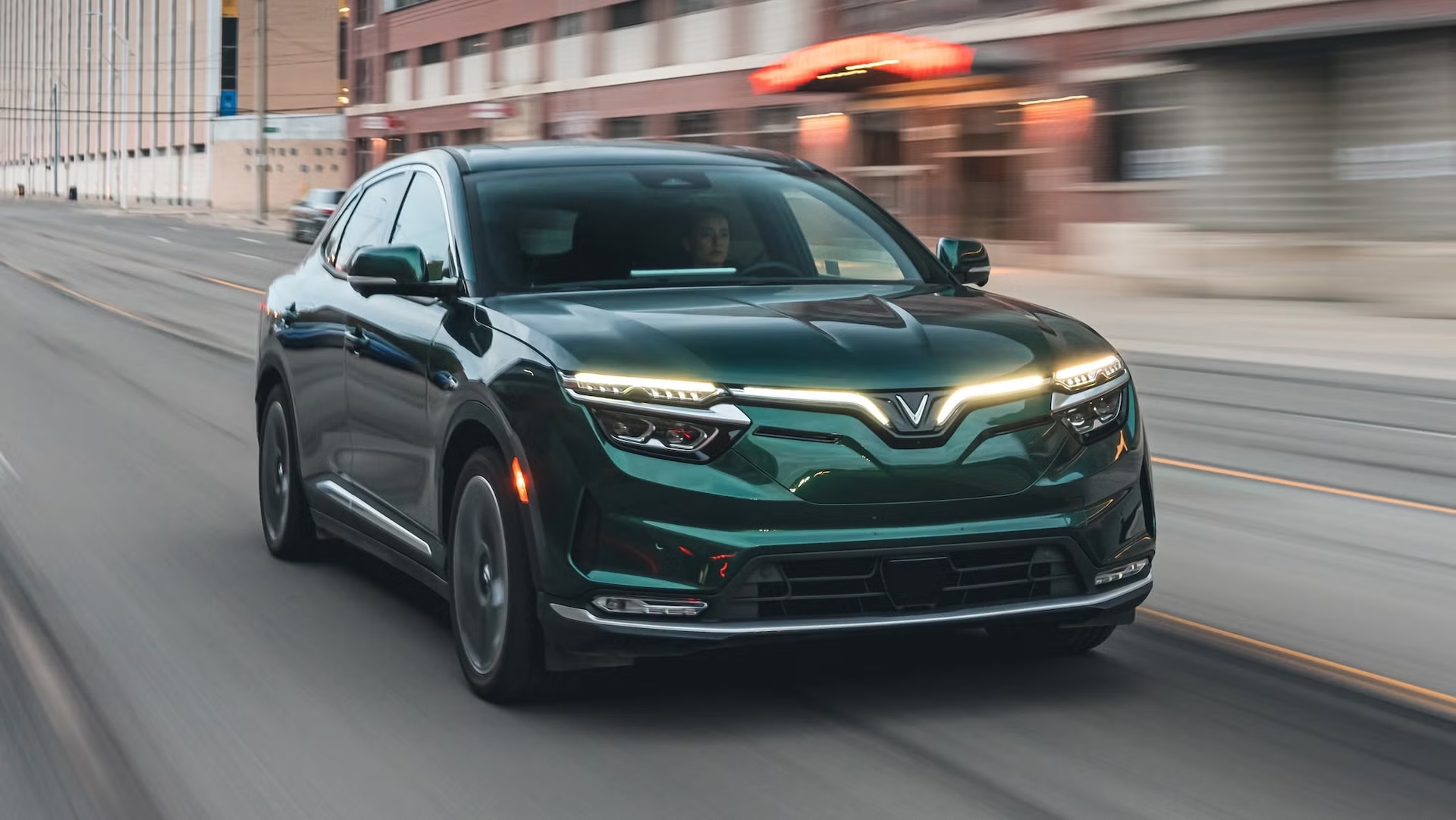
One of the main advantages of an EV over an ICE (Internal Combustion Engine) vehicle is lower maintenance. Tasks like oil changes, filter replacements, spark plug changes, and replacing hoses and belts are generally not needed. However, one type of maintenance that may happen more often than with ICE vehicles is tire replacement. Ewing VinFast of Plano explains why this is and what you should watch for when it’s time to replace your EV’s tires.
There are two reasons why tires may wear out faster on an EV than on a similarly sized internal combustion (IC) vehicle. The primary reason is the heavier weight. The large battery pack under the cabin increases an EV’s weight, often by 1,000 to 2,000 pounds, depending on the model. For example, comparing the Vinfast VF8 to a similarly sized gas-powered crossover, such as the Chevrolet Blazer, the Blazer weighs approximately 4,144 pounds, while the VF8 weighs around 5,771 pounds.
The second reason is the quick, accessible torque of an EV. Again, using the Blazer as an example, a mid-level model offers 228 lb-ft of torque, while the VF8 delivers a powerful 457 lb-ft, ready to be unleashed with each tap of the accelerator. That can make the VF8 quite fun to drive, but putting that torque to use does cause wear on the tires. And we are not referring to spinning tires. Just handling the torque while the tires maintain traction can create wear.
When it’s time to replace the tires on an EV, the first question often is, “Do I need EV-specific tires?” And the answer is, “Maybe, maybe not.” While that answer may be disappointing, it gives you the freedom to choose based on your priorities.
EV-specific tires are designed to have lower rolling resistance, partly due to a harder rubber compound, which helps your EV travel farther between charges. Remember, the 82 kWh battery in a VF8 has the energy equivalent of 2.4 gallons of gas. That would only power the mentioned Blazer for around 65 miles, but it’s the efficiency of electric power that allows a VF8 to achieve a range of 235 to 256 miles. EVs are much more efficient, but this also means their range can be more affected by factors that reduce efficiency, like tires with higher rolling resistance. The tradeoff for higher rolling resistance can be improved traction.
The efficiency differences between standard and EV-specific tires can vary significantly, often resulting in a 5-14% difference in range. Whether this should be a consideration largely depends on how you drive your car. If you charge at home and your range is significantly greater than your typical driving distance between charges, a 5-14% range difference may be negligible for you. In that case, you might overlook EV-specific tires in favor of tires with attributes you value directly, such as dry or wet traction or snow performance. Plano’s average of two inches of snow per year is well below the US average of 28 inches, but if you frequently travel north to snowier regions, snow performance might be more important. Of course, if you often take your EV cross-country and charge at roadside stations, lower-rolling-resistance tires could be beneficial.
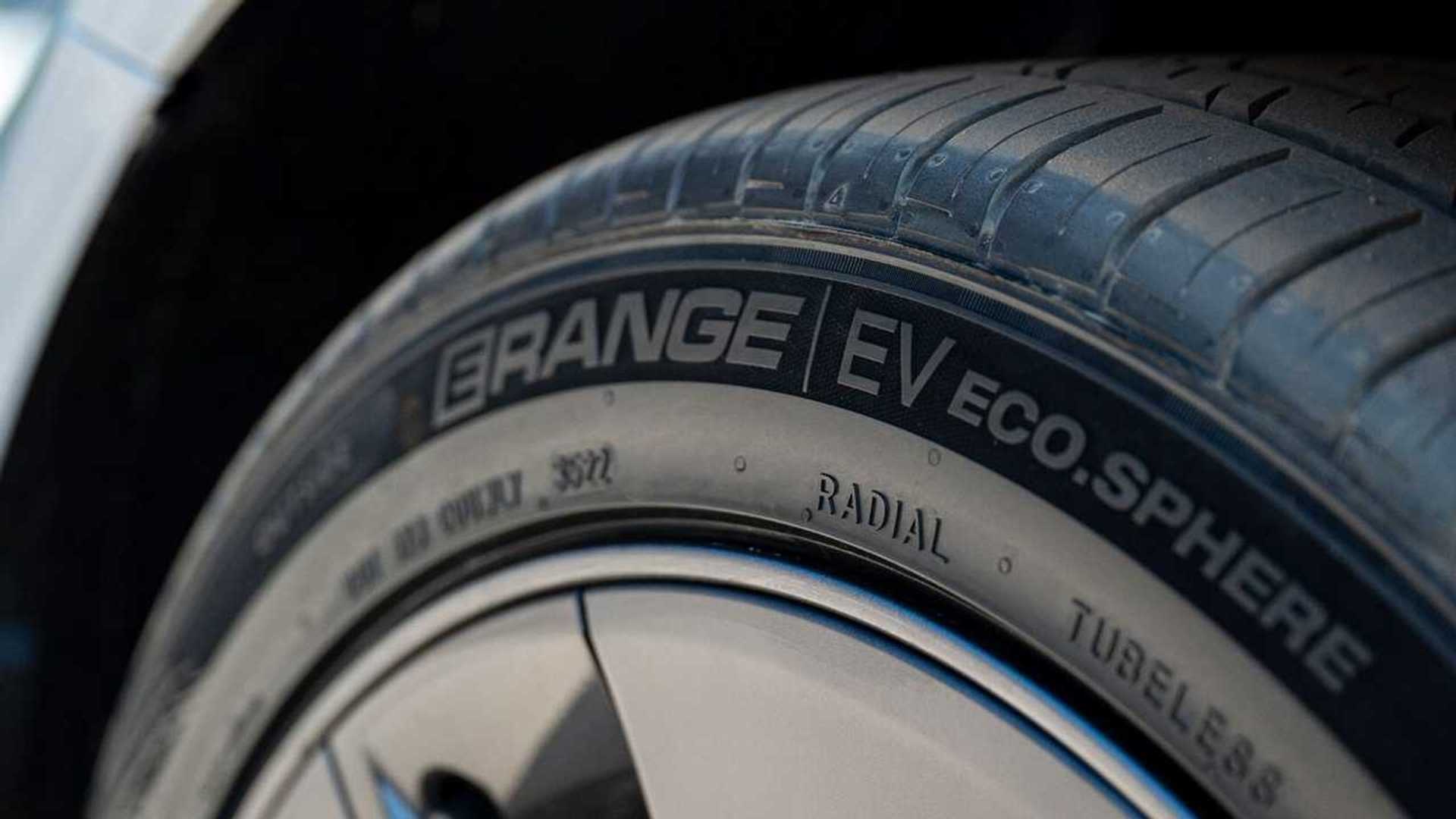
Another EV trait is quiet operation; however, the absence of engine noise can make tire noise more noticeable. Consequently, many EV-specific tires may feature noise-reduction technologies, such as foam liners, to absorb or reduce tire and road noise before it reaches the cabin. These technologies can also be found on non-EV-specific tires.
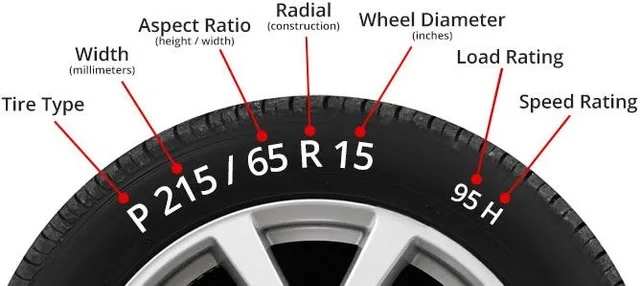
Because EVs are heavier, one thing you will want to ensure is that your replacement tires have a sufficient load index. On the tire sidewall, this is the last number on the tire size, and it will show “103” on the VF8. This indicates a weight capacity of 1,929 pounds per tire. Thus, four of these tires can handle a load of 7,716 pounds, which is designed to be enough to include the VF8 and 1,945 pounds of passengers and cargo. You will want a load index of at least 103 for your replacement tires. Simply Google “Load tire index chart” to see what weight level each load index translates to pounds.
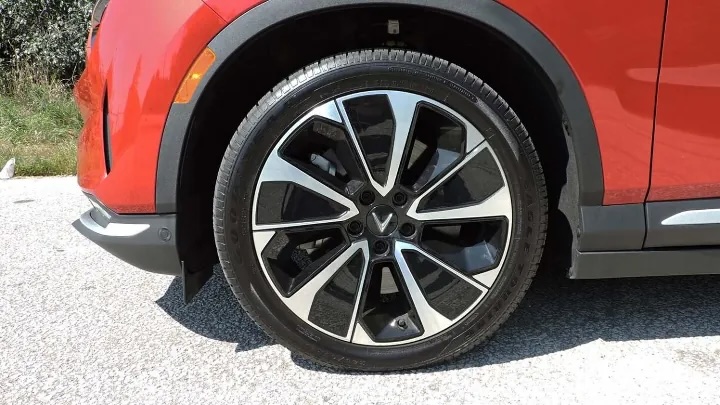
Therefore, your replacement tires should be selected based on how you use your EV and your priorities for ride quality, dry and wet traction, snow handling, noise levels, and expected longevity. If you have questions, don’t hesitate to contact the Ewing Vinfast of Plano Service Department. By now, they’ve likely spoken with many Vinfast owners about their experiences with replacement tires and satisfaction levels.